


Corporate Trainer vs. Coach: What’s the Difference?

These days, everyone’s talking about building better teams, stronger leaders, and more agile workplaces. And somewhere in that conversation, the terms training and coaching often get mixed up. At edForce, we’ve seen it firsthand: companies invest in training programs expecting long-term behavior change, or they turn to coaching when a skill gap is the real issue. The result? Confusion, wasted effort, and missed opportunities. Here’s the thing: training and coaching both develop people, but in very different ways. If you’re wondering which one your team requires or how to combine both, you’re in the right place. Let’s get it! What is Training? Training is when someone (most likely a trainer) teaches you something new. It might be a skill, a tool, or a process you need to do your job. For example: Training is usually structured. It follows a set plan and often happens in a group. The trainer is the expert, and their job is to teach you what you need to know. You’ll often see training used in workshops, online courses, or classroom sessions. At edForce, this is one of our specialties, We create custom training programs that are straightforward, helpful, and made to fit your company’s needs. What Does a Corporate Trainer Do? A corporate trainer is someone who helps employees learn the skills they need to do their jobs better. This could include anything from technical know-how to communication, leadership, or teamwork. They typically work with groups, either face-to-face or virtually, and have a planned agenda. The goal is to make sure that all the participants understand the subject matter and are able to apply it in actual working scenarios. At edForce, our corporate trainers are not only subject matter experts, but they also know how to make learning practical, engaging, and specific to your business needs. Whether it’s new hire onboarding, upskilling current staff, or implementing a new system, our trainers can help you develop confident, competent employees. What is Coaching? Coaching is not the same as training. A coach won’t tell you what to do. Instead, they’ll help you figure it out yourself. A coach will ask you questions, listen deeply, and guide you as you explore your own thoughts and goals. They’re not giving you answers, but they’re helping you find your own answers. For example, a coach can help an individual: Coaching is typically one-on-one. It’s more personal, and it’s about long-term development, not short-term projects. The Key Differences Here’s a quick table to show how training and coaching differ: Training Coaching Trainer teaches skills Coach helps you find your own answers Structured and follows a plan Flexible and based on your goals Group setting One-on-one Short-term Long-term Focus on learning Focus on personal growth Trainer leads Coachee leads Both are valuable, but they’re used for different reasons. Why Coaching Matters Coaching might sound fancy or complicated, but it’s not. In fact, it’s something any good leader can do – no special degree needed. At its simplest, coaching is about: When leaders think like coaches, they spend less time fixing problems for their team and more time helping their team fix problems themselves. This creates trust, autonomy, and confidence. It also saves managers from burnout, because they’re not doing all the work themselves! When to Use Training vs. Coaching? Here’s how to find out what your team needs: Here’s a brief example: Imagine you hire a new team member. First, they need training to understand the tools and tasks. But once they’re settled, you might coach them to grow their confidence, take on new responsibilities, or become a leader themselves. Training provides the skills. Coaching develops the individual. How edForce Can Help? At edForce, we are aware that the best teams require both solid training and intelligent coaching. That’s why we don’t just offer one or the other; instead, we allow you to create a complete learning culture. We believe that learning isn’t just about checking a box. It’s about helping people do their best work and become the best version of themselves. Final Thoughts Training and coaching are both necessary, but they’re not the same. At edForce, we help you with doing both because we know true success comes when individuals are proficient, assured, and prepared for what lies ahead. Need to know how we can help your team develop? We’d be delighted to discuss. FAQ’s
Career-Ready Fresh Graduate Training Programs

edForce’s training programs are made to help fresh graduates move from school to work. They focus on career growth and improving professional skills. In today’s job market, new graduates in India find it hard to get their first job because they lack the right skills. edForce knows this problem and offers training to change your career path. They give you the skills and experience needed to do well in your job. edForce’s programs are all about helping fresh graduates succeed. They learn the skills and gain experience needed to move up in their careers. These programs are a great way to start your career and make a big difference in your field. Bridging the Gap Between Education and Employment The traditional education system often doesn’t give students the practical skills needed by the industry. This leads to a big gap between education and employment. Graduates then struggle to find jobs because they’re not ready. To solve this, we need to focus on making students employment-ready. We should offer graduate programs that prepare students for real-world challenges in their careers. Industry reports show the skills gap and its effect on jobs. edForce tackles this by creating graduate training programs that focus on employment readiness. These programs aim to give graduates the skills they need to succeed in their careers, making them more employable. Understanding the Skills Gap in Today’s Job Market The skills gap is a big problem, with many graduates lacking the practical skills needed by the industry. This gap comes from traditional education’s focus on theory over practice. Graduates then find it hard to meet the job market’s demands, showing the need for practical training in graduate programs. Why Traditional Education Isn’t Enough Traditional education gives a good start, but it’s not enough today. The job market changes fast, needing graduates with technical, business, and soft skills. edForce’s graduate programs meet this need with a curriculum that prepares students for the modern workplace. They focus on making students employment-ready. Fresh Graduate Training Programs That Shape Future Leaders edForce is key in shaping future leaders with its fresh graduate training. These programs offer industry-aligned training to give participants the skills they need. They focus on career development to help fresh graduates grow and succeed in their fields. Success stories from edForce’s alumni show how effective these programs are. edForce’s training is all-encompassing. It teaches technical skills and soft skills for leadership roles. This way, edForce prepares fresh graduates for the real world. Joining edForce fresh hire training programs can boost your career development a lot. You’ll get the skills and knowledge to excel in your career. This makes you a top choice for employers. Industry-Aligned Skill Development Pathways edForce’s training programs aim to connect education with the job world. They offer skill paths that match industry needs. This ensures participants get the skills needed to thrive in their careers. These programs focus on technical skills enhancement. This means participants learn the latest tech needed for their jobs. This makes them stand out in the job market. But edForce doesn’t stop there. They also work on soft skills development. Soft skills like communication and teamwork are key to success. By improving these skills, participants can make a real difference in their workplaces. edForce’s approach is to teach both technical and soft skills. This way, they create professionals who are well-rounded and ready for the job world. Technical Skills Enhancement Technical skills are a big part of edForce’s programs. They give participants the latest tech knowledge. This keeps them current with industry trends and practices. This focus on technical skills boosts their job chances. It makes them more appealing to employers. Soft Skills Development Soft skills are also a major part of edForce’s training. They focus on skills like communication and teamwork. These are essential for success in today’s fast-paced business world. With strong soft skills, participants become more confident and adaptable. They become more effective in their roles. Hands-On Learning Experience edForce’s training programs offer a hands-on learning experience. They focus on practical training that mirrors real-world scenarios. This method is backed by research, showing it leads to better skill retention and understanding. By focusing on practical application, participants can use their skills right away. This makes them ready for the job from day one. Studies prove that hands-on learning boosts career success. edForce’s practical learning approach is a big reason for its success. It helps participants gain the skills and confidence needed to excel in their fields. Participants in edForce’s programs get to do a variety of practical activities. These include simulations, case studies, and group projects. These activities are designed to reflect real-world situations, helping participants develop essential skills and knowledge. With a focus on practical training, edForce’s programs equip participants with the skills and confidence needed for success. This makes edForce an excellent choice for those looking to stand out in the job market. Mentorship and Professional Guidance At edForce, we know how key mentorship and guidance are for new graduates. Our programs aim to offer the support needed to reach career goals. We help participants succeed in their chosen fields. Personalized Career Advice Our one-on-one career counseling gives personalized advice. It’s tailored to each participant’s career goals. This helps them understand their aspirations and plan to achieve them. Insights from Industry Experts Our industry expert sessions share the latest trends and challenges. This keeps participants informed and gives them a competitive edge. By attending, they learn from experienced professionals and understand the industry better. With edForce’s mentorship and guidance, participants can connect with professionals. These connections are key for their future careers. Our programs are designed to help new graduates reach their full potentials and succeed in their fields. Success Metrics and Placement Support At edForce, we focus on our participants’ success. We track success metrics like placement rates, job satisfaction, and career growth. This shows our training programs are effective in preparing them for work. We also offer strong placement support. We work with participants
Breaking Barriers: The Future of Learning with Live Online Training by edForce

In the ever-evolving landscape of professional development, the advent of live online training has emerged as a transformative force, breaking down geographical barriers and revolutionizing the way individuals acquire new skills. edForce, a trailblazer in innovative workforce solutions, is at the forefront of this learning revolution, enabling individuals and organizations to embrace the future of learning through live online training. In this blog, we will delve into the transformative impact of live online training by edForce and how it is shaping the future of professional development. The Evolution of Learning: Embracing Live Online Training The traditional confines of classroom-based learning are being redefined by the boundless opportunities presented by live online training. With advancements in technology and the increasing demand for flexible learning options, live online training has emerged as a powerful medium through which individuals can acquire new skills and knowledge from the comfort of their own environment, transcending geographical barriers and time constraints. The Role of edForce in Shaping the Future of Learning edForce is championing the future of learning through its comprehensive live online training programs, offering a myriad of benefits to individuals and organizations: The Impact of edForce Live Online Training The implementation of edForce live online training has yielded significant benefits for individuals and organizations venturing into this dynamic realm of learning: Why Choose edForce for the Future of Learning edForce stands as the premier partner for organizations and individuals seeking to embrace the future of learning through live online training due to several key attributes: Conclusion In conclusion, live online training represents the future of learning, offering an unparalleled avenue for individuals and organizations to acquire new skills and knowledge in a flexible and dynamic environment. With edForce’s innovative live online training programs, individuals can transcend geographical barriers and embrace a new era of professional development. By partnering with edForce, organizations can unlock the full potential of their workforce, fostering a culture of continuous learning and growth. If you are ready to embrace the future of learning and break through barriers with live online training, consider the transformative solutions offered by edForce. Contact edForce today to explore how their live online training programs can empower your workforce and propel your organization towards enduring success in the digital age.
Why Choose edForce for Online Training: Flexible, Effective, and Career-Focused
The demand for online training has skyrocketed as individuals and businesses recognize its convenience, adaptability, and results-oriented approach. Among the many platforms offering such solutions, edForce stands out as a leader. Whether you’re an individual looking to upskill or an organization seeking workforce training solutions, edForce provides a comprehensive and tailored learning experience. Among the many platforms offering such solutions, edForce stands out as a leader. Whether you’re an individual looking to upskill or an organization seeking workforce training solutions, edForce provides a comprehensive and tailored learning experience. With expert instructors, interactive live sessions, and a flexible schedule, learners can gain real-time knowledge and practical skills. edForce’s industry-aligned curriculum ensures that you stay ahead of the curve and meet your career or business objectives effectively. In this article, we’ll delve into why edForce is the preferred choice for online training, exploring its flexibility, effectiveness, and career-focused approach. What Makes edForce the Ideal Online Training Partner? When choosing an online training platform, there are many factors to consider, such as course quality, accessibility, and support. edForce excels in these areas, offering a solution that meets the needs of modern learners and organizations. Flexible Learning Options for Every Learner One of the standout features of edForce is its flexibility. The platform is designed to accommodate learners with different schedules, time zones, and commitments. This level of adaptability makes edForce a trusted partner for both individuals and companies. Effective Training Designed for Results Online training must go beyond mere content delivery to ensure learners acquire practical, job-ready skills. edForce employs a results-oriented training approach to achieve this. By prioritizing real-world application and skill mastery, edForce ensures its training programs deliver measurable results. Career-Focused Training for Today’s Job Market One of the biggest challenges in online training is aligning it with career growth and job market demands. edForce bridges this gap seamlessly, offering career-focused training that empowers learners to achieve their professional aspirations. Industry-Relevant Courses edForce’s catalog includes courses across high-demand fields such as: The curriculum is continuously updated to reflect the latest industry trends, ensuring learners acquire skills that are both relevant and future-proof. Certification and Credibility Upon completing edForce courses, learners earn industry-recognized certifications. These credentials not only validate their skills but also enhance their resumes, making them stand out in competitive job markets. Soft Skills Development Beyond technical skills, edForce also emphasizes soft skills training. Leadership, communication, and problem-solving abilities are critical for career advancement, and edForce integrates these into its programs. Why Businesses Trust edForce for Workforce Training? For organizations, edForce is more than an online training provider—it’s a strategic partner. Here’s why businesses across industries choose edForce for upskilling and reskilling their teams: Tailored Training Programs Every organization has unique goals and challenges. edForce collaborates with businesses to design customized training programs that address specific skill gaps. Scalability and Global Reach Whether a company needs to train 10 employees or 10,000, edForce provides scalable solutions. With its robust online infrastructure, it can deliver training across multiple geographies simultaneously. ROI-Driven Solutions edForce ensures organizations see a clear return on their training investments. By equipping employees with skills that enhance productivity and innovation, edForce directly contributes to business growth. Advanced Learning Technology at edForce Technology plays a pivotal role in enhancing the online training experience, and edForce leverages cutting-edge tools to deliver exceptional results. Learning Management System (LMS) edForce’s LMS is intuitive and packed with features such as: AI-Powered Personalization The platform uses artificial intelligence to recommend courses and resources tailored to each learner’s needs, ensuring a personalized learning journey. Gamification for Engagement To keep learners motivated, edForce incorporates gamification techniques like badges, leaderboards, and rewards. The edForce Advantage By now, it’s clear why edForce is a leader in online training. Its emphasis on flexibility, effectiveness, and career alignment makes it a top choice for learners and businesses alike. Whether you’re starting a new career, upskilling for a promotion, or transforming your organization’s workforce, edForce has the tools, expertise, and commitment to help you succeed. FAQ’s
Why edForce is the Best Solution for Comprehensive Team Training

In today’s fast-paced business environment, effective team training has become more crucial than ever. As industries continuously evolve and competition intensifies, organizations must invest in robust training programs to develop a skilled and adaptable workforce. Well-trained teams are better equipped to drive innovation, respond to challenges, and contribute to long-term success. However, finding a training solution that meets the diverse needs of modern teams can be challenging. Among the numerous training providers, edForce stands out as a premier choice, offering tailored, high-quality solutions that go beyond standard training. With its cutting-edge approach, edForce combines flexibility, industry expertise, and a range of learning formats to address the specific needs of teams across sectors. edForce’s programs are designed to improve engagement, enhance skills, and empower employees to perform at their best. This article will explore the key reasons why edForce is the ultimate choice for comprehensive team training and how it can drive meaningful transformation within your organization, helping you stay ahead in a competitive market. The Importance of Comprehensive Team Training Effective team training is a cornerstone of business success. It ensures that employees are well-equipped with the skills and knowledge needed to perform their roles efficiently and adapt to new challenges. Comprehensive training goes beyond just technical skills; it encompasses leadership development, communication skills, and other critical competencies. Investing in team training has numerous benefits, including increased productivity, improved employee satisfaction, and reduced turnover rates. Moreover, a well-trained team is better positioned to drive innovation and achieve organizational goals. However, not all training programs are created equal. To achieve the best results, organizations need a solution that offers a holistic approach to training. Why edForce is the Optimal Choice for Team Training? When it comes to comprehensive team training, edForce emerges as the leading solution for several compelling reasons: 1. Tailored Training Programs One of the key advantages of edForce is its ability to offer customized training programs that cater to the specific needs of each organization. Unlike generic training solutions, edForce takes the time to understand the unique requirements of your team and designs programs that address those needs effectively. Whether you need to train a team in new technology, improve leadership skills, or enhance communication, edForce provides tailored solutions that align with your organizational goals. This personalized approach ensures that the training is relevant and impactful. 2. Cutting-Edge Technology and Tools edForce leverages state-of-the-art technology and tools to deliver high-quality training experiences. From interactive e-learning modules to virtual reality simulations, edForce integrates the latest advancements to make training engaging and effective. The platform’s use of advanced technology enhances the learning experience by providing immersive and interactive content. This not only keeps participants engaged but also helps in better retention of knowledge and skills. 3. Experienced Trainers and Experts At the heart of edForce’s success is its team of experienced trainers and industry experts. These professionals bring a wealth of knowledge and practical experience to the training sessions, ensuring that participants receive valuable insights and real-world applications. The expertise of edForce’s trainers contributes to the overall effectiveness of the training programs. Their ability to provide relevant examples and address specific challenges faced by your team adds significant value to the training process. 4. Flexible Delivery Options edForce understands that teams may have diverse schedules and preferences when it comes to training. To accommodate these needs, the platform offers flexible delivery options, including online, in-person, and hybrid formats. This flexibility allows organizations to choose the training delivery method that best suits their team members’ availability and learning preferences. Whether your team is working remotely or on-site, edForce provides a seamless training experience. 5. Continuous Learning and Support Comprehensive training doesn’t end with a single session. edForce emphasizes continuous learning and support to ensure that the knowledge and skills gained during training are sustained over time. The platform offers ongoing resources, follow-up sessions, and access to a community of professionals for continuous development. This commitment to continuous learning helps reinforce the training content and encourages employees to apply what they have learned in their daily work. It also provides an opportunity for teams to address any challenges and receive additional support as needed. The Impact of edForce on Organizational Success The benefits of choosing edForce for team training extend beyond the immediate training sessions. By investing in edForce, organizations can expect to see a positive impact on various aspects of their business, including: Enhanced Team Performance With tailored training programs and cutting-edge tools, edForce equips teams with the skills and knowledge needed to excel in their roles. This leads to improved performance, increased efficiency, and a higher level of productivity. Greater Employee Engagement Training programs that are relevant and engaging contribute to higher levels of employee satisfaction and engagement. When employees feel valued and supported through effective training, they are more likely to be motivated and committed to their roles. Stronger Organizational Culture A commitment to comprehensive team training fosters a culture of continuous improvement and learning within the organization. This positive culture not only enhances team dynamics but also strengthens the overall organizational culture. Increased Competitive Advantage In a competitive business landscape, having a well-trained and skilled team provides a significant advantage. edForce’s comprehensive training solutions help organizations stay ahead of the curve by ensuring their teams are equipped to handle new challenges and opportunities. edForce is the best solution for comprehensive team training due to its tailored programs, cutting-edge technology, experienced trainers, flexible delivery options, and commitment to continuous learning. By choosing edForce, organizations can invest in their teams’ development and drive long-term success. As businesses continue to navigate a dynamic environment, having a reliable and effective training partner like edForce is more important than ever. FAQ’s
VILT Training: Transforming Workforce Learning in the Digital Age

In today’s fast-paced digital world, where technology is advancing at an unprecedented pace, organizations must continuously adapt to stay competitive. One critical area where adaptability is essential is in workforce training and development. Traditional in-person training methods, once the norm, are now proving insufficient to meet the needs of modern, geographically dispersed teams who require more flexible and accessible learning options. Enter Virtual Instructor-Led Training (VILT)—an innovative training approach that combines the proven effectiveness of instructor-led sessions with the convenience and reach of online learning. VILT allows companies to provide high-quality, interactive training experiences to employees across different locations, ensuring everyone receives consistent, real-time instruction without the limitations of physical presence. It’s a transformative solution that aligns with today’s remote and hybrid work models, offering a scalable and efficient way to equip teams with critical skills. In this article, we will delve into the fundamentals of VILT training, examine its benefits, compare it to other popular training methods, and explore how industry leaders like edForce are pioneering VILT solutions to support organizations in building a capable, future-ready workforce poised for success in the digital age. What is VILT Training? Virtual Instructor-Led Training (VILT) is a training methodology that allows learners to receive live instruction from a qualified trainer, but instead of being in a physical classroom, the training is delivered via an online platform. VILT replicates the classroom experience, allowing for real-time interaction, collaboration, and engagement, while offering the convenience of remote access. In a VILT session, participants can interact with the instructor and other learners, ask questions, and engage in discussions, just like they would in a traditional classroom setting. The difference is that they can do this from anywhere in the world, as long as they have an internet connection. This makes VILT an ideal solution for organizations with distributed teams or those looking to offer training to a global audience. Benefits of VILT Training VILT training offers numerous benefits for both organizations and learners. Below are some of the key advantages: 1. Flexibility and Convenience One of the most significant benefits of VILT training is the flexibility it offers. Learners can participate in training sessions from any location, eliminating the need for travel and allowing them to balance their work and personal commitments. This flexibility makes VILT an attractive option for employees who may have busy schedules or who are located in different time zones. 2. Cost-Effective VILT training can be more cost-effective than traditional in-person training. Organizations save on travel, accommodation, and venue costs, while learners save on commuting time and expenses. Additionally, VILT sessions can be recorded and reused, further reducing costs. 3. Real-Time Interaction Unlike self-paced online courses, VILT allows for real-time interaction between the instructor and learners. This interaction is crucial for clarifying doubts, discussing complex topics, and fostering a collaborative learning environment. Learners can ask questions, participate in discussions, and engage in group activities, just like in a physical classroom. 4. Scalability VILT training is highly scalable, making it suitable for organizations of all sizes. Whether you need to train a small team or a large global workforce, VILT can accommodate varying group sizes. This scalability is particularly beneficial for organizations that need to roll out training programs quickly and efficiently across multiple locations. 5. Enhanced Engagement VILT platforms often come with various tools and features designed to enhance learner engagement. These may include polls, quizzes, breakout rooms, whiteboards, and collaborative exercises. These features help keep learners actively engaged throughout the session and reinforce the learning material. VILT vs. Other Training Methods While VILT offers many benefits, it’s important to understand how it compares to other training methods, such as traditional instructor-led training (ILT) and eLearning. VILT vs. ILT Instructor-led training (ILT) is the traditional method of training where learners and instructors are physically present in a classroom. While ILT allows for face-to-face interaction, it also comes with limitations such as geographical constraints, higher costs, and scheduling challenges. VILT overcomes these limitations by offering the same level of interaction in a virtual environment, making it more accessible and cost-effective. VILT vs. eLearning eLearning refers to self-paced online courses where learners complete modules independently. While eLearning offers flexibility and convenience, it lacks the real-time interaction and personalized instruction that VILT provides. VILT combines the best of both worlds by offering live instruction with the flexibility of online access, making it a more comprehensive training solution. The Role of edForce in Delivering VILT Solutions As organizations increasingly recognize the value of VILT training, it’s essential to partner with a provider that has the expertise and resources to deliver high-quality training programs. This is where edForce comes into play. edForce is a leading provider of workforce upskilling solutions, specializing in VILT training across various industries and domains. edForce’s VILT programs are designed to meet the specific needs of organizations, ensuring that learners receive the most relevant and up-to-date training. With a team of experienced instructors and state-of-the-art virtual training platforms, edForce delivers engaging and interactive VILT sessions that drive real results. Whether you’re looking to upskill your team in the latest technologies, compliance standards, or leadership skills, edForce offers a wide range of VILT courses that can be customized to meet your organization’s unique requirements. By partnering with edForce, organizations can ensure that their employees are equipped with the knowledge and skills needed to succeed in today’s competitive business environment. Best Practices for Implementing VILT Training To maximize the effectiveness of VILT training, organizations should follow best practices that ensure a smooth and successful implementation. Below are some key tips to consider: 1. Choose the Right Platform Selecting the right VILT platform is critical to the success of your training program. The platform should offer a range of features that support engagement, interaction, and collaboration. It should also be user-friendly and accessible on various devices, including desktops, laptops, and mobile devices. 2. Prepare Instructors and Learners Both instructors and learners should be adequately prepared for VILT sessions. Instructors should be trained on how to
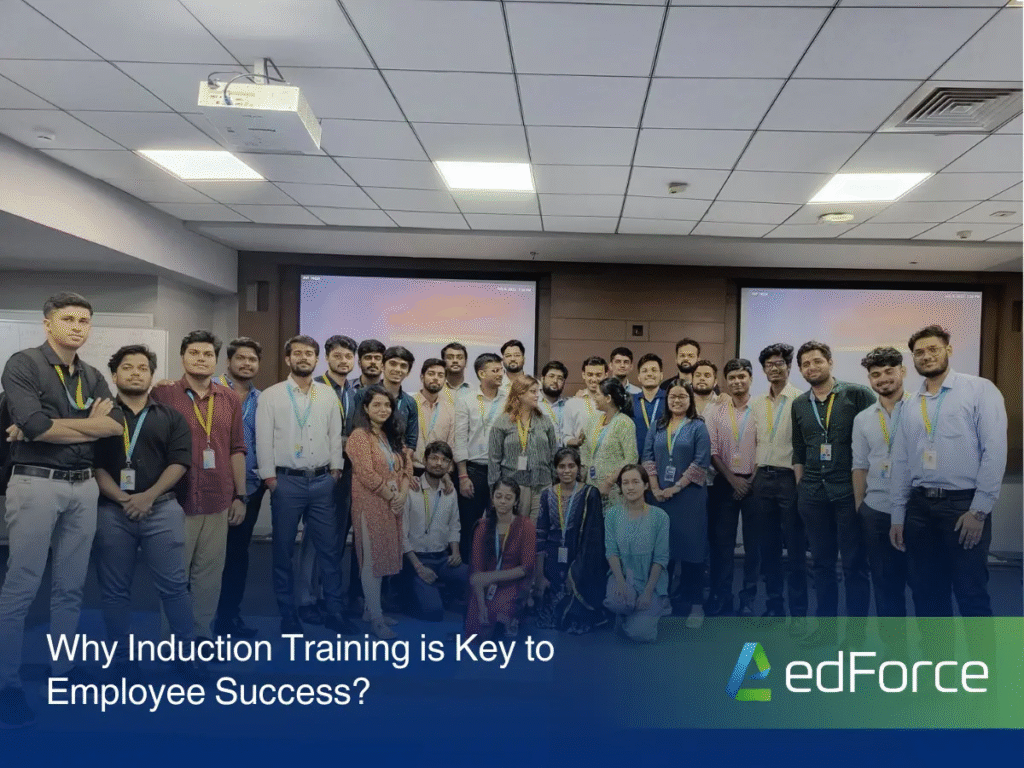
Why Induction Training is Key to Employee Success
Induction training is a crucial process for any organization. It sets the stage for new employees, ensuring they have the knowledge and tools necessary for success. The first few weeks in a new role can determine an employee’s future performance, making induction training essential. What is Induction Training? Induction training encompasses the processes that welcome new hires into a company. It provides them with essential information about the organization, its culture, policies, and their specific role within the team, creating a solid foundation for their journey. The Importance of Induction Training Induction training is not just a formality; it significantly impacts employee performance and satisfaction. Here are a few key reasons why it’s critical: 1. Foundation of Knowledge By imparting essential information about the company’s vision, values, and goals, induction training sets a clear trajectory for employees. They understand what is expected of them and how they can contribute to the organization. 2. Enhancing Employee Engagement Effective induction training fosters a sense of belonging. When new employees feel welcomed and valued, their engagement levels rise, leading to higher productivity and morale. 3. Reduction of Turnover Rates A well-executed induction process can reduce employee turnover. Employees who undergo comprehensive training are more likely to feel satisfied with their roles and less likely to leave the organization prematurely. 4. Compliance and Safety Induction training includes important information regarding company policies, compliance regulations, and safety protocols. Ensuring that employees understand these elements helps minimize risks and fosters a safe work environment. The Role of edForce in Induction Training edForce understands the significance of effective induction training. The platform provides tools and resources that streamline the onboarding process, making it more engaging and interactive. By utilizing technology, edForce helps organizations deliver tailored induction programs that cater to the needs of individual employees. Best Practices for Effective Induction Training To maximize the benefits of induction training, consider the following best practices: 1. Tailor the Process to New Hires Customize the induction experience to suit the unique needs of each employee. Understanding their background and expectations can help in creating a more impactful training experience. 2. Utilize Technology Incorporate digital tools and platforms like edForce to enhance training delivery. E-learning modules, videos, and interactive sessions can make the process more engaging for new hires. 3. Encourage Interaction Promote interactions between new employees and their colleagues. Team-building activities or mentorship programs can be beneficial for establishing connections and improving teamwork. 4. Set Clear Objectives Define clear objectives for the induction program. Employees should know what they are expected to achieve by the end of their training, making the process more goal-oriented. Measuring the Success of Induction Training Assessing the effectiveness of induction training is crucial. Here are some metrics to consider: 1. Employee Satisfaction Surveys Conduct surveys to gather feedback regarding the induction program. This offers insights into what is working and areas for improvement. 2. Performance Metrics Analyze performance data to see if there is a correlation between induction training and employee performance in their roles. 3. Retention Rates Monitor retention rates of new hires to evaluate the long-term impact of the induction process. induction training is vital to an employee’s journey within an organization. It lays a robust foundation for engagement, productivity, and retention. Platforms like edForce can significantly enhance the efficacy of this training, making the onboarding process more efficient and enjoyable. FAQs
Why Induction Training Matters: edForce’s Approach to Employee Onboarding?

Employee onboarding is a foundational process that sets the tone for a new hire’s journey within a company. Induction training, the initial training given to new employees, plays a critical role in ensuring that newcomers feel welcomed, informed, and prepared. For companies like edForce, delivering effective induction training is not just a formality; it is an essential strategy to foster a productive and engaged workforce. By providing new employees with the knowledge, tools, and support they need from day one, companies can increase retention, reduce turnover, and enhance overall job satisfaction. In this article, we’ll explore the importance of induction training, the core components of effective onboarding, and how edForce’s unique approach enhances the experience for both new hires and organizations alike Induction training, also known as employee onboarding, is the process of introducing new employees to an organization, helping them understand the company culture, roles, expectations, and the skills required for their positions. Unlike traditional training, which focuses primarily on job-specific skills, induction training provides a broader introduction to the company, fostering a smooth transition into the organizational environment. The process aims to make new employees feel welcome, reduce any initial anxieties, and empower them with essential tools and resources. Key Components of Induction Training The structure of induction training varies by organization, but it generally includes several core components: Each of these elements is designed to foster an understanding of the organizational framework, streamline integration, and maximize productivity from the start. The Importance of Induction Training 1. Enhances Employee Engagement Effective induction training helps employees feel part of the organization from day one. When employees feel connected to the company’s mission and values, they are more likely to remain engaged. Induction training that clearly outlines the company’s goals and their role within it helps employees understand their impact, which fosters a sense of purpose. 2. Reduces Employee Turnover Research consistently shows that new employees who go through a well-structured induction program are less likely to leave within the first year. Induction training minimizes the uncertainty that can lead to turnover by equipping employees with knowledge, skills, and confidence. 3. Boosts Productivity Induction training expedites the learning curve, enabling new hires to become productive faster. They can quickly familiarize themselves with processes, company tools, and work culture. A thorough onboarding process ensures that employees gain the required skills and knowledge to perform their jobs effectively, reducing the lag time to full productivity. 4. Strengthens Company Culture Induction training reinforces company culture by introducing new employees to values, expectations, and ethical guidelines early on. Through immersion in the organization’s core values, employees are more likely to align with the culture, fostering a cohesive work environment. 5. Increases Employee Confidence Starting a new job can be overwhelming. By providing comprehensive induction training, organizations help alleviate the stress that often accompanies new job responsibilities. When employees are familiar with company policies, tools, and the people they will work with, their confidence increases, allowing them to focus more on productivity and less on uncertainty. edForce’s Approach to Effective Induction Training edForce, a leader in corporate learning solutions, has developed a unique approach to induction training that emphasizes both structure and adaptability. Unlike traditional onboarding programs, edForce’s induction training combines industry best practices with customizable modules that cater to the unique needs of each organization. Here’s how edForce redefines induction training: 1. Personalized Learning Paths edForce offers personalized onboarding programs that adapt to the unique roles and responsibilities of each new hire. This approach allows for a tailored experience, ensuring that employees gain the specific skills they need to succeed. By aligning training with the individual’s role, edForce minimizes irrelevant training content and focuses on practical knowledge application. 2. Interactive and Engaging Training Modules Recognizing that learning should be engaging, edForce integrates interactive modules into its induction training. These include simulations, case studies, and real-life scenarios that encourage employees to participate actively. Through gamified learning and interactive sessions, edForce helps to retain attention and improve comprehension, making the onboarding experience enjoyable and impactful. 3. Continuous Support and Feedback Mechanisms With edForce, the support doesn’t end once induction training is over. edForce includes continuous support mechanisms, such as regular check-ins, progress tracking, and feedback sessions to monitor the new employee’s adjustment. Through real-time feedback and support, new hires can address any issues early, ensuring a smooth transition into their roles. 4. Focus on Company Culture and Values edForce places a strong emphasis on familiarizing new hires with the company’s core values and culture. The training includes interactive sessions with company leaders, group activities, and discussions on company culture. By immersing employees in the values that define the organization, edForce encourages alignment with company standards from the outset. 5. Data-Driven Insights and Continuous Improvement One of the most innovative aspects of edForce’s induction training approach is its use of data-driven insights. edForce gathers feedback from each training session to understand its effectiveness and areas for improvement. This continuous feedback loop enables edForce to refine its training programs and keep them aligned with evolving organizational needs. Benefits of edForce’s Induction Training Increased Retention Rates edForce’s personalized, engaging, and supportive onboarding programs contribute to higher retention rates by fostering a positive first impression. New employees who undergo this induction training feel valued and understood, reducing early turnover rates. Accelerated Time to CompetenceFAQs By focusing on the specific needs of the role and using interactive learning methods, edForce helps employees reach proficiency faster. This accelerates their ability to contribute meaningfully to the organization, resulting in measurable productivity gains. Enhanced Collaboration and Team Dynamics edForce incorporates team-building exercises and networking opportunities into induction training. New employees connect with their colleagues early, which helps establish strong working relationships, creating a cohesive work environment. Improved Adaptability and Resilience Through real-time feedback, mentorship, and skill-building, edForce’s induction training instills adaptability and resilience in employees. This prepares them to navigate challenges and respond positively to organizational changes. Induction training is a vital investment that significantly impacts employee engagement, productivity, and retention. edForce has established itself
Workforce Upskilling: A Critical Strategy for Business Growth
In today’s fast-paced and rapidly evolving business landscape, workforce upskilling has emerged as a central strategy for companies committed to remaining competitive and driving sustainable growth. As technological advancements, shifting market demands, and the need for specialized skills continue to reshape industries, the importance of investing in employee development has never been more apparent. Businesses are realizing that without continuous skill enhancement, their teams may struggle to meet new challenges or adapt to change, leading to diminished productivity and a weaker competitive edge. Upskilling goes beyond mere skill-building; it fosters a culture of learning, empowers employees, and aligns their growth with organizational goals. Companies that prioritize upskilling not only improve job satisfaction and retention but also gain the agility needed to innovate and respond proactively to industry shifts. This article explores the critical role of workforce upskilling in today’s business environment, highlighting its far-reaching benefits for both employees and organizations. Additionally, we’ll discuss how leading upskilling partners like edForce are enabling businesses to implement effective, tailored training programs that equip their workforce with the skills needed to drive continuous growth and transformation in an increasingly complex world. The Importance of Workforce Upskilling Workforce upskilling refers to the process of equipping employees with new skills or enhancing their existing skills to meet the ever-changing demands of their roles. This approach is not just about training for the sake of it; it’s about strategically aligning employee development with the organization’s goals and the industry’s future needs. In a world where digital transformation is accelerating at an unprecedented pace, companies that fail to upskill their workforce risk falling behind. According to a study by the World Economic Forum, over 50% of all employees will need reskilling by 2025, as the adoption of technology increases and the nature of jobs changes. This highlights the urgency for businesses to proactively invest in upskilling to remain competitive. Benefits of Workforce Upskilling 1. Increased Employee Productivity Upskilling leads to a more competent and confident workforce. Employees who are well-equipped with the latest skills and knowledge are more likely to perform their tasks efficiently and effectively. This, in turn, leads to higher productivity levels, which is crucial for any organization’s success. 2. Enhanced Employee Retention Investing in the professional development of employees not only boosts their skills but also their loyalty to the company. Employees are more likely to stay with an organization that values their growth and provides opportunities for career advancement. This reduces turnover rates and saves the company from the high costs associated with recruiting and training new employees. 3. Improved Innovation A workforce that is continually learning and evolving is better positioned to drive innovation within the organization. Upskilled employees bring fresh ideas and perspectives, enabling the company to innovate and stay ahead of the competition. 4. Better Adaptability to Change In today’s dynamic business environment, the ability to adapt to change is critical. A workforce that is regularly upskilled is more agile and capable of adapting to new technologies, processes, and market shifts. This adaptability is a key factor in maintaining a competitive edge. 5. Attracting Top Talent Organizations that prioritize workforce upskilling are more attractive to top talent. In a competitive job market, potential employees are drawn to companies that offer continuous learning and development opportunities. By building a reputation as a learning-focused organization, companies can attract and retain the best talent in the industry. How edForce is Leading the Workforce Upskilling Revolution As businesses recognize the need for workforce upskilling, many are turning to specialized organizations like edForce to help them achieve their goals. edForce is a leading provider of corporate training solutions, offering a wide range of upskilling programs tailored to the unique needs of businesses across various industries. edForce understands that each organization has its own set of challenges and requirements when it comes to upskilling its workforce. That’s why they offer customized training programs that align with the company’s strategic objectives. Whether it’s enhancing technical skills, developing leadership capabilities, or fostering a culture of continuous learning, edForce provides comprehensive solutions that drive measurable results. One of the key strengths of edForce is its ability to deliver training that is both relevant and engaging. Their programs are designed to be interactive and practical, ensuring that employees can immediately apply what they’ve learned in their day-to-day work. This approach not only enhances the learning experience but also maximizes the return on investment for the organization. Moreover, edForce leverages the latest technology to deliver training in a flexible and accessible manner. With options for online, in-person, and hybrid learning, employees can upskill at their own pace and in a way that fits their schedules. This flexibility is particularly important in today’s remote and hybrid work environments, where traditional training methods may no longer be effective. In addition to providing top-notch training, edForce also offers tools and resources for tracking and measuring the impact of upskilling initiatives. This data-driven approach enables organizations to monitor progress, identify areas for improvement, and ensure that their upskilling efforts are aligned with their business goals. Strategies for Effective Workforce Upskilling To maximize the benefits of workforce upskilling, companies must approach it strategically. Here are some key strategies to consider: 1. Identify Skill Gaps The first step in any upskilling initiative is to identify the skill gaps within the organization. This involves assessing the current skills of employees and comparing them with the skills required to meet future business needs. By identifying these gaps, companies can tailor their training programs to address the specific areas where development is needed. 2. Align Upskilling with Business Goals Upskilling should be aligned with the organization’s strategic objectives. This means that the skills being developed should directly contribute to the company’s goals, whether it’s driving innovation, improving customer service, or expanding into new markets. By aligning upskilling efforts with business goals, companies can ensure that their investment in training delivers tangible results. 3. Leverage Technology Technology plays a crucial role in effective upskilling. Online learning platforms, virtual classrooms, and AI-powered learning tools are
Top 10 Benefits of Team Training for Workplace Productivity

The work environment is changing. Employees are no longer staying at the same organization for years, as they used to. Now, people want jobs that develop their careers, not just pay the bills. If organizations want to retain good talent and get new people excited to join their company, they need more than just basic training; instead, organizations have to provide real upskilling, training that helps people do their jobs better, grow in their careers, and feel more connected to their teams. That’s exactly what we do at edForce. We’re not just another training company. We help businesses of all sizes, from startups to companies like Microsoft, Walmart, and Amazon, get the most out of their teams by offering smart, practical, and effective team training. Let’s take a look at the top benefits of team training and why it matters now more than ever. 1. Build a Stronger Workforce People today want more than a job. They want to grow their careers. When you offer your team training that helps them learn new skills and become better at what they do, they’re more likely to stay with you. At edForce, we help you design learning programs that matter. They’re not just advantageous for the business, but they’re also advantageous for the employee. And when they feel valued, workers are much more likely to bring their best efforts every day. For short-term workers or contractors, training helps them understand your goals from Day 1. A good onboarding program sets them up for success right away. 2. Get More Done with Better Teamwork When people are trained together, they work better together. They know what the goals are, how their work fits in, and how to support each other. Team training helps avoid confusion, reduces repeated work, and improves communication. With everyone on the same page, projects move faster and results are better. At edForce, we make sure our training encourages teamwork and cooperation, so your teams are always moving in the same direction. 3. Learn Technical and Soft Skills Together Even when your training is focused on technical topics like cloud computing, AI, or data analytics, your team is also learning very important soft skills, which include communication, critical thinking, and problem-solving. When teams work together in training, they also practice working together in real life. They will be able to work together, share ideas, ask questions, and support each other in the training course, thus building stronger working relationships and helping them get better results on the job. We include group activities, live discussions, and real-life scenarios in our training to make sure your team is learning how to work smarter, not just harder. 4. Improve Productivity as a Team Learning as a group helps your team understand and apply new ideas faster. According to research from Deloitte, teams that learn together are more productive than individuals learning on their own. When everyone learns the same concepts at the same time, your team develops a shared language and a common understanding. This makes it easier for them to work together, plan better, and finish tasks more efficiently. At edForce, we make sure training leads directly to better performance, so your investment pays off. 5. Create a Positive Work Culture Training is more than skill-building. It also shapes your company’s culture. A strong culture is one where people feel supported, valued, and excited to learn. When you offer regular training, you’re telling your team: “We believe in you, and we’re invested in your future.” That simple message can go a long way toward making employees happier and more committed to your company. edForce helps you build this kind of culture, where learning is a part of everyday work, and where people aren’t afraid to ask questions, try new things, and grow. 6. Connect Remote Teams Today, many teams work from different cities—or even different countries. That can make it harder for people to feel connected to each other. Team training (especially virtual training) brings remote employees together. They get a chance to meet, talk, learn, and work on things as a group. That builds trust, boosts morale, and helps everyone feel like they’re part of the same mission. With edForce, our virtual learning options make it easy for remote teams to feel like real teams. 7. Improve How Teams Work Across Departments Sometimes, teams from different departments don’t really understand what the others do. This can lead to poor communication or missed opportunities. Team training can help. By bringing different groups together, you help them see the big picture and understand how everyone’s role fits in. They start to appreciate each other’s work more and collaborate better. We often design cross-functional training sessions at edForce that focus on teamwork across departments. This helps your organization work better as a whole. Why edForce? Because we do more than teach. We help you transform your workforce. At edForce, we focus on practical training that makes a difference right away. We align learning programs with your actual business goals. That means your teams don’t just learn, but they learn what matters and how to apply it immediately. From onboarding new hires to getting senior teams certified in advanced tools, from soft skills to cloud labs, our programs are custom-fit to your needs. Ready to Train Smarter? If you’re committed to growing your team, increasing productivity, and building a great workplace, team training is the answer. And when you partner with edForce, you’re working with a “learning partner” who knows how to make learning meaningful. Let’s build great teams together. edForce – We don’t just train. We upskill. FAQ’s