


AWS Skill Builder: Essential Tools for Cloud Security Mastery

In today’s digital landscape, cloud security has become a top priority for businesses and organizations worldwide. As more data and applications migrate to the cloud, ensuring their security becomes paramount. Amazon Web Services (AWS), a leading cloud service provider, offers a range of tools and services designed to enhance cloud security. Mastering these tools is essential for IT professionals aiming to protect their cloud environments effectively. This article delves into the essential AWS tools for cloud security and how they contribute to a robust security posture. Understanding AWS Security Fundamentals Before diving into specific tools, it’s important to understand the fundamentals of AWS security. AWS operates on a shared responsibility model, where AWS manages the security of the cloud infrastructure, while customers are responsible for securing their data and applications within the cloud. This division of responsibilities is crucial for effectively managing and mitigating security risks. Key Components of AWS Security Essential AWS Tools for Cloud Security Mastery AWS Identity and Access Management (IAM) IAM is a critical component for managing user access and permissions. It allows administrators to create and manage AWS users and groups and define their access policies. By leveraging IAM roles and policies, organizations can enforce the principle of least privilege, ensuring that users have only the necessary permissions to perform their tasks. AWS Key Management Service (KMS) AWS KMS is a managed service that makes it easy to create and control the encryption keys used to encrypt data. KMS integrates with various AWS services, providing a seamless way to protect data at rest and in transit. By utilizing KMS, organizations can manage encryption keys securely and comply with stringent regulatory requirements. AWS CloudTrail AWS CloudTrail enables governance, compliance, and operational and risk auditing of your AWS account. With CloudTrail, organizations can log, continuously monitor, and retain account activity related to actions across their AWS infrastructure. This visibility into user activity helps detect and respond to security incidents promptly. AWS Config AWS Config is a service that enables you to assess, audit, and evaluate the configurations of your AWS resources. Config continuously monitors and records your AWS resource configurations and allows automated compliance checking. By using AWS Config, organizations can ensure that their resources comply with internal policies and best practices. AWS Shield AWS Shield is a managed Distributed Denial of Service (DDoS) protection service that safeguards applications running on AWS. With AWS Shield, organizations can protect against common DDoS attacks, ensuring the availability and reliability of their applications. AWS Shield Advanced provides additional detection and mitigation capabilities, including real-time metrics and reports. AWS GuardDuty AWS GuardDuty is a threat detection service that continuously monitors for malicious activity and unauthorized behavior. By analyzing data from multiple sources, including AWS CloudTrail logs, VPC Flow Logs, and DNS logs, GuardDuty can identify potential threats and provide actionable insights to enhance security posture. AWS Security Hub AWS Security Hub provides a comprehensive view of your security state within AWS. It aggregates, organizes, and prioritizes security findings from various AWS services, such as GuardDuty, Inspector, and Macie, along with partner solutions. Security Hub helps organizations identify and remediate security issues faster by providing centralized and automated security management. The Role of edForce in AWS Skill Building In the journey to master AWS cloud security tools, education and hands-on experience play a crucial role. This is where platforms like edForce come into the picture. edForce offers a range of training programs designed to equip IT professionals with the necessary skills to secure AWS Skill Builder. With a focus on practical, real-world scenarios, edForce ensures that learners gain a deep understanding of AWS security best practices and tools. edForce’s training modules cover everything from the basics of IAM to advanced threat detection with GuardDuty. By providing hands-on labs and interactive sessions, edForce enables learners to apply their knowledge in simulated environments, thereby reinforcing their learning and building confidence in using AWS security tools. Practical Tips for Mastering AWS Security Tools Regular Training and Certification One of the best ways to master AWS security tools is through regular training and certification. AWS offers a variety of certification programs that validate your knowledge and skills in cloud security. Additionally, platforms like edForce provide specialized training modules that focus on different aspects of AWS security. Continuous Monitoring and Auditing To maintain a robust security posture, continuous monitoring and auditing of AWS resources are essential. Tools like AWS CloudTrail and AWS Config provide real-time insights into resource configurations and user activities, helping organizations detect and respond to security incidents promptly. Implementing Best Practices Adhering to AWS security best practices is crucial for effective cloud security management. This includes implementing the principle of least privilege, using multi-factor authentication (MFA), and regularly rotating security credentials. By following these best practices, organizations can minimize potential security risks and enhance their overall security posture. Automating Security Processes Automation plays a key role in managing cloud security efficiently. AWS offers a range of tools and services that enable organizations to automate security processes, such as patch management, compliance checking, and threat detection. By leveraging automation, organizations can reduce the manual effort involved in security management and improve their response times to security incidents. Conclusion Mastering AWS security tools is essential for any organization looking to protect its cloud environment. From IAM and KMS to GuardDuty and Security Hub, AWS provides a comprehensive suite of tools designed to enhance cloud security. By leveraging these tools effectively and continuously improving their security practices, organizations can ensure that their data and applications remain secure in the cloud. The role of training platforms like edForce cannot be overstated in this journey. By providing hands-on, practical training, edForce equips IT professionals with the skills and knowledge needed to navigate the complexities of AWS security. Whether you’re just starting with AWS or looking to deepen your expertise, investing in continuous learning and training is crucial for staying ahead in the ever-evolving field of cloud security. FAQ’s
AWS Skill Builder: Empowering Your Cloud Journey
The cloud computing industry is expanding at an unprecedented rate, and Amazon Web Services (AWS) stands at the forefront of this transformation. Offering a wide array of services—from data storage and machine learning to analytics and security—AWS enables organizations to innovate and operate more efficiently. With the increasing shift towards cloud solutions, the demand for cloud computing skills has skyrocketed, making access to high-quality training resources more critical than ever. As organizations adopt AWS for their cloud needs, they must ensure their teams are equipped with the necessary knowledge to leverage its full potential. AWS Skill Builder has emerged as a powerful solution, providing individuals and organizations with structured, accessible, and comprehensive training resources designed to develop and enhance cloud expertise. By offering both foundational and advanced training modules, AWS Skill Builder allows learners to progress at their own pace, mastering the skills required to implement and manage AWS solutions confidently. This article delves into AWS Skill Builder’s key features, exploring how it supports professionals in achieving cloud proficiency and empowers organizations to stay competitive in a digital-first world. What is AWS Skill Builder? AWS Skill Builder is an online learning platform provided by Amazon Web Services. It is designed to help users of all skill levels, from beginners to experts, to develop and enhance their AWS skills. The platform offers a wide range of training modules, including video tutorials, hands-on labs, and quizzes. Whether you’re a developer, system administrator, or IT manager, AWS Skill Builder has something to offer. The platform’s content is organized into various learning paths and modules, allowing users to focus on specific areas of interest. This flexibility makes it easier for learners to tailor their education to their career goals. Moreover, the content is regularly updated to reflect the latest AWS services and best practices, ensuring that users are always learning the most relevant information. Why AWS Skill Builder? In today’s competitive job market, having AWS skills can set you apart from the crowd. Cloud computing is no longer a niche area; it is a critical component of modern IT infrastructure. AWS, being the leading cloud service provider, offers a wide range of services that are used by organizations worldwide. As a result, AWS certifications are highly valued by employers, and the demand for skilled AWS professionals continues to grow. AWS Skill Builder is designed to meet this demand by providing high-quality, accessible training. Whether you’re looking to achieve an AWS certification or simply want to improve your cloud knowledge, AWS Skill Builder offers the resources you need. Additionally, the platform’s self-paced learning approach allows users to learn at their own speed, making it ideal for working professionals. Key Features of AWS Skill Builder AWS Skill Builder offers structured learning paths that guide users through the process of developing specific skills. These paths are tailored to different roles, such as solutions architect, developer, and operations engineer. Each path includes a series of courses and hands-on labs designed to build expertise in a particular area. One of the standout features of AWS Skill Builder is its hands-on labs. These labs provide a practical learning experience by allowing users to work with real AWS services in a controlled environment. This hands-on approach helps reinforce the concepts learned in the video tutorials and quizzes, making it easier for users to apply their knowledge in real-world scenarios. AWS Skill Builder offers a vast library of video tutorials covering a wide range of topics. These tutorials are presented by AWS experts and are designed to be engaging and informative. Whether you’re learning about basic cloud concepts or advanced AWS services, these videos provide a clear and concise explanation of the topics. To help users gauge their understanding of the material, AWS Skill Builder includes quizzes and assessments throughout the learning paths. These assessments allow users to test their knowledge and identify areas where they may need further study. AWS is constantly evolving, with new services and features being added regularly. AWS Skill Builder keeps pace with these changes by continuously updating its content. This ensures that users are always learning the most current information and best practices. How edForce Integrates with AWS Skill Builder? When it comes to corporate training and workforce development, edForce is a name that stands out. edForce specializes in helping organizations upskill their employees through customized training solutions. One of the ways edForce achieves this is by integrating AWS Skill Builder into their training programs. By leveraging AWS Skill Builder, edForce is able to provide its clients with a comprehensive cloud training experience. The platform’s structured learning paths, hands-on labs, and assessments align perfectly with edForce’s goal of delivering practical, results-oriented training. Additionally, edForce can customize the AWS Skill Builder content to meet the specific needs of an organization, ensuring that the training is relevant to their business objectives. This integration allows organizations to build a skilled workforce that is capable of leveraging AWS services to drive innovation and efficiency. Whether it’s training new hires or upskilling existing employees, edForce and AWS Skill Builder provide the tools needed to achieve success in the cloud. Achieving AWS Certification with AWS Skill Builder One of the primary goals for many AWS Skill Builder users is to achieve AWS certification. AWS certifications are highly regarded in the industry and can significantly boost your career prospects. The platform offers dedicated learning paths for each of the AWS certifications, including: These learning paths are designed to prepare users for the certification exams by covering all the necessary topics and providing hands-on practice. The combination of video tutorials, hands-on labs, and quizzes ensures that users are well-prepared to pass their exams and earn their certifications. The Benefits of AWS Certification Achieving an AWS certification can have a significant impact on your career. Here are some of the key benefits: AWS certifications are recognized globally and are highly valued by employers. Having an AWS certification on your resume can open up a wide range of job opportunities in the cloud computing industry.
Why Induction Training is Key to Employee Success
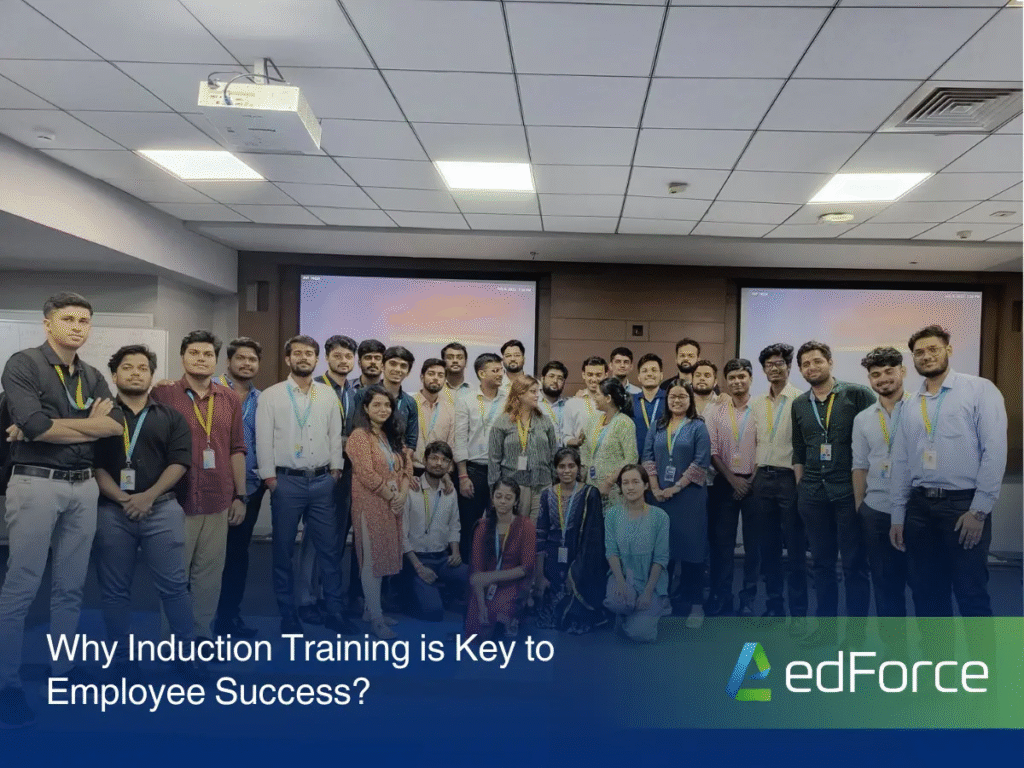
Induction training is a crucial process for any organization. It sets the stage for new employees, ensuring they have the knowledge and tools necessary for success. The first few weeks in a new role can determine an employee’s future performance, making induction training essential. What is Induction Training? Induction training encompasses the processes that welcome new hires into a company. It provides them with essential information about the organization, its culture, policies, and their specific role within the team, creating a solid foundation for their journey. The Importance of Induction Training Induction training is not just a formality; it significantly impacts employee performance and satisfaction. Here are a few key reasons why it’s critical: 1. Foundation of Knowledge By imparting essential information about the company’s vision, values, and goals, induction training sets a clear trajectory for employees. They understand what is expected of them and how they can contribute to the organization. 2. Enhancing Employee Engagement Effective induction training fosters a sense of belonging. When new employees feel welcomed and valued, their engagement levels rise, leading to higher productivity and morale. 3. Reduction of Turnover Rates A well-executed induction process can reduce employee turnover. Employees who undergo comprehensive training are more likely to feel satisfied with their roles and less likely to leave the organization prematurely. 4. Compliance and Safety Induction training includes important information regarding company policies, compliance regulations, and safety protocols. Ensuring that employees understand these elements helps minimize risks and fosters a safe work environment. The Role of edForce in Induction Training edForce understands the significance of effective induction training. The platform provides tools and resources that streamline the onboarding process, making it more engaging and interactive. By utilizing technology, edForce helps organizations deliver tailored induction programs that cater to the needs of individual employees. Best Practices for Effective Induction Training To maximize the benefits of induction training, consider the following best practices: 1. Tailor the Process to New Hires Customize the induction experience to suit the unique needs of each employee. Understanding their background and expectations can help in creating a more impactful training experience. 2. Utilize Technology Incorporate digital tools and platforms like edForce to enhance training delivery. E-learning modules, videos, and interactive sessions can make the process more engaging for new hires. 3. Encourage Interaction Promote interactions between new employees and their colleagues. Team-building activities or mentorship programs can be beneficial for establishing connections and improving teamwork. 4. Set Clear Objectives Define clear objectives for the induction program. Employees should know what they are expected to achieve by the end of their training, making the process more goal-oriented. Measuring the Success of Induction Training Assessing the effectiveness of induction training is crucial. Here are some metrics to consider: 1. Employee Satisfaction Surveys Conduct surveys to gather feedback regarding the induction program. This offers insights into what is working and areas for improvement. 2. Performance Metrics Analyze performance data to see if there is a correlation between induction training and employee performance in their roles. 3. Retention Rates Monitor retention rates of new hires to evaluate the long-term impact of the induction process. induction training is vital to an employee’s journey within an organization. It lays a robust foundation for engagement, productivity, and retention. Platforms like edForce can significantly enhance the efficacy of this training, making the onboarding process more efficient and enjoyable. FAQs
AWS Professional Certification: Which One is Right for You?

Cloud computing skills are highly sought-after at the moment, and they’re continuing to grow. Cloud is one of the top tech skill gaps out there. If you’re thinking about taking your career to the next level or even jumping into a new field entirely, developing cloud skills and getting the right AWS certification can open up some amazing career opportunities. Let’s get in and explore how AWS certifications can change your career. What Is AWS? Amazon Web Services (AWS) is among the largest cloud platforms available. It offers a range of services such as computing capacity, storage, and networking, all via the internet. As businesses globally transition to the cloud, the need for AWS professionals has grown exponentially. Therefore, if you’re interested in becoming AWS-certified, you’re on the right path. What Are AWS Certifications and Why Are They Important? AWS certifications are like proof that you know your stuff when it comes to cloud computing. They show employers that you have the skills to work with AWS tools and services. These certifications are a great way to prove to current and future employers that you’ve got what it takes. Also Read:- MLOps Engineering on AWS Levels of AWS Certification AWS certifications are available at various levels to suit your experience. Consider them as game levels: Foundational (Level 1): At this level, you’re all set if you’re new to the cloud. It’s like the tutorial, providing a good foundation for AWS fundamentals and cloud computing. If you are starting out, you’ll first want to obtain AWS Certified Cloud Practitioner. Associate (Level 2): You start specializing here. If you want to be a Solutions Architect, a Developer, or a SysOps Administrator, this level provides the basic skills for a particular AWS role. Professional (Level 3): This is where you level up! This level is intended for individuals with some level of experience and who need to demonstrate they can handle sophisticated AWS infrastructures. In case you have been handling AWS for some time, an AWS Professional Certification will propel you to the next level. Specialty (Bonus Levels!): For those who prefer to dive further into particular sections, such as Security, Machine Learning, or Data Analytics. AWS also has specialty certifications within these sections. Top 10 AWS Certifications for 2025 These are the top 10 highest-paying and most in-demand AWS certifications in 2025: Also Read:- What Is AWS Skill Builder? A Beginner’s Guide Is It Worth It to Get AWS Certification? Considering whether it’s worth spending money and time on AWS certification training? The short answer is: YES! Higher Earnings: AWS-certified professionals tend to earn more than non-certified professionals. Employers are ready to pay more for professionals who possess certified cloud expertise. Offers Credibility: AWS certifications provide you with credibility at work. It’s a way of showing your colleagues and employers that you know your stuff. Career Growth: AWS certification can help you in advancing your career, whether you are beginning an entry-level position or seeking a senior role. An AWS certification creates greater career opportunities. It demonstrates your expertise and makes you a more desirable candidate to employers. How to Select the Right AWS Certification? With so many options available, you might get confused! So, here’s a quick guide to help you choose the right AWS certification for yourself: Define Your Career Path: What career do you wish to pursue? There are certifications for various career paths, such as Solutions Architect, Developer, and Security Engineer. Choose the certification that best fits your career path. Evaluate Your Experience: Are you new to cloud computing, or do you have some prior experience with AWS? If you are just beginning, think about starting with the AWS Certified Cloud Practitioner certification. Explore Your Interests: Consider what you are most passionate about. Do you enjoy creating cloud infrastructure? Or do you prefer data analytics or machine learning? There’s a certification for nearly every cloud interest. Review the Exam Guides: AWS has thorough exam guides for every certification. Go through them carefully to see what is being covered and the skills needed. Think About Your Learning Style: Are you more comfortable with guided training or learning on your own? You can purchase AWS certification courses or become AWS certified using many different options, such as online training, video courses, and hands-on labs. Also Read:- AWS skill builder Are You Ready to Get AWS Certified? If you’re ready to jump in and buy AWS certification training or buy AWS certification courses, make sure to choose a course that fits your learning style and career goals. edForce is here to help! With our training program, you will receive everything you need to be successful – personalized learning paths, hands-on labs, expert-led lessons, practice exams, and a community of professionals collaborating to share knowledge, support, and experience and keep you motivated. Following a clear learning path while practicing real-world scenarios will provide the skills you need to pass your AWS certification. Whether you are just starting or you are looking to take the next step, AWS certification training can be the catalyst for new opportunities in your career.
Why Induction Training Matters: edForce’s Approach to Employee Onboarding?
Employee onboarding is a foundational process that sets the tone for a new hire’s journey within a company. Induction training, the initial training given to new employees, plays a critical role in ensuring that newcomers feel welcomed, informed, and prepared. For companies like edForce, delivering effective induction training is not just a formality; it is an essential strategy to foster a productive and engaged workforce. By providing new employees with the knowledge, tools, and support they need from day one, companies can increase retention, reduce turnover, and enhance overall job satisfaction. In this article, we’ll explore the importance of induction training, the core components of effective onboarding, and how edForce’s unique approach enhances the experience for both new hires and organizations alike Induction training, also known as employee onboarding, is the process of introducing new employees to an organization, helping them understand the company culture, roles, expectations, and the skills required for their positions. Unlike traditional training, which focuses primarily on job-specific skills, induction training provides a broader introduction to the company, fostering a smooth transition into the organizational environment. The process aims to make new employees feel welcome, reduce any initial anxieties, and empower them with essential tools and resources. Key Components of Induction Training The structure of induction training varies by organization, but it generally includes several core components: Each of these elements is designed to foster an understanding of the organizational framework, streamline integration, and maximize productivity from the start. The Importance of Induction Training 1. Enhances Employee Engagement Effective induction training helps employees feel part of the organization from day one. When employees feel connected to the company’s mission and values, they are more likely to remain engaged. Induction training that clearly outlines the company’s goals and their role within it helps employees understand their impact, which fosters a sense of purpose. 2. Reduces Employee Turnover Research consistently shows that new employees who go through a well-structured induction program are less likely to leave within the first year. Induction training minimizes the uncertainty that can lead to turnover by equipping employees with knowledge, skills, and confidence. 3. Boosts Productivity Induction training expedites the learning curve, enabling new hires to become productive faster. They can quickly familiarize themselves with processes, company tools, and work culture. A thorough onboarding process ensures that employees gain the required skills and knowledge to perform their jobs effectively, reducing the lag time to full productivity. 4. Strengthens Company Culture Induction training reinforces company culture by introducing new employees to values, expectations, and ethical guidelines early on. Through immersion in the organization’s core values, employees are more likely to align with the culture, fostering a cohesive work environment. 5. Increases Employee Confidence Starting a new job can be overwhelming. By providing comprehensive induction training, organizations help alleviate the stress that often accompanies new job responsibilities. When employees are familiar with company policies, tools, and the people they will work with, their confidence increases, allowing them to focus more on productivity and less on uncertainty. edForce’s Approach to Effective Induction Training edForce, a leader in corporate learning solutions, has developed a unique approach to induction training that emphasizes both structure and adaptability. Unlike traditional onboarding programs, edForce’s induction training combines industry best practices with customizable modules that cater to the unique needs of each organization. Here’s how edForce redefines induction training: 1. Personalized Learning Paths edForce offers personalized onboarding programs that adapt to the unique roles and responsibilities of each new hire. This approach allows for a tailored experience, ensuring that employees gain the specific skills they need to succeed. By aligning training with the individual’s role, edForce minimizes irrelevant training content and focuses on practical knowledge application. 2. Interactive and Engaging Training Modules Recognizing that learning should be engaging, edForce integrates interactive modules into its induction training. These include simulations, case studies, and real-life scenarios that encourage employees to participate actively. Through gamified learning and interactive sessions, edForce helps to retain attention and improve comprehension, making the onboarding experience enjoyable and impactful. 3. Continuous Support and Feedback Mechanisms With edForce, the support doesn’t end once induction training is over. edForce includes continuous support mechanisms, such as regular check-ins, progress tracking, and feedback sessions to monitor the new employee’s adjustment. Through real-time feedback and support, new hires can address any issues early, ensuring a smooth transition into their roles. 4. Focus on Company Culture and Values edForce places a strong emphasis on familiarizing new hires with the company’s core values and culture. The training includes interactive sessions with company leaders, group activities, and discussions on company culture. By immersing employees in the values that define the organization, edForce encourages alignment with company standards from the outset. 5. Data-Driven Insights and Continuous Improvement One of the most innovative aspects of edForce’s induction training approach is its use of data-driven insights. edForce gathers feedback from each training session to understand its effectiveness and areas for improvement. This continuous feedback loop enables edForce to refine its training programs and keep them aligned with evolving organizational needs. Benefits of edForce’s Induction Training Increased Retention Rates edForce’s personalized, engaging, and supportive onboarding programs contribute to higher retention rates by fostering a positive first impression. New employees who undergo this induction training feel valued and understood, reducing early turnover rates. Accelerated Time to CompetenceFAQs By focusing on the specific needs of the role and using interactive learning methods, edForce helps employees reach proficiency faster. This accelerates their ability to contribute meaningfully to the organization, resulting in measurable productivity gains. Enhanced Collaboration and Team Dynamics edForce incorporates team-building exercises and networking opportunities into induction training. New employees connect with their colleagues early, which helps establish strong working relationships, creating a cohesive work environment. Improved Adaptability and Resilience Through real-time feedback, mentorship, and skill-building, edForce’s induction training instills adaptability and resilience in employees. This prepares them to navigate challenges and respond positively to organizational changes. Induction training is a vital investment that significantly impacts employee engagement, productivity, and retention. edForce has established itself
Achieve Success through Live Instructor-Led Training with edForce

In today’s rapidly evolving world, the demand for highly skilled professionals is higher than ever. As technology advances and industries adapt, the need for ongoing professional development has become essential for both individuals and organizations. To remain competitive and relevant, continuous upskilling and reskilling are crucial steps. One of the most effective ways to achieve this is through live instructor-led training (ILT), where participants engage in real-time learning guided by experienced trainers. Unlike pre-recorded courses, live training enables dynamic interaction, personalized feedback, and the opportunity to ask questions on the spot—qualities that enrich the learning experience and make it more impactful. edForce, a leading provider of live training solutions, has emerged as a game-changer in the upskilling and reskilling space. With a wide range of tailored programs, edForce combines the structured benefits of traditional classroom teaching with the convenience and flexibility of online learning. By delivering a highly engaging, interactive learning environment, edForce ensures that professionals gain the practical skills needed to excel in their careers. Through its innovative ILT approach, edForce not only enhances knowledge but also empowers learners to adapt to the ever-changing demands of the modern workforce, setting them up for lasting success. What is Live Instructor-Led Training? Live instructor-led training is a teaching method where a qualified instructor delivers training in real-time, either online or in a physical classroom. Unlike pre-recorded video lectures, live ILT sessions allow for interactive communication between instructors and learners. This interactivity ensures that participants can ask questions, seek clarifications, and engage in discussions, leading to a deeper understanding of the subject matter. Benefits of Live Instructor-Led Training 1. Real-Time Interaction and Immediate Feedback One of the most significant advantages of live ILT is the ability to interact with instructors and peers in real-time. This interaction fosters a collaborative learning environment where participants can ask questions, share insights, and get immediate feedback. The opportunity to clarify doubts on the spot ensures that learners do not carry misconceptions forward, resulting in a more effective learning experience. 2. Personalized Learning Experience Live ILT sessions can be tailored to meet the specific needs of individual learners or organizations. Instructors can modify the course content based on the learners’ existing knowledge levels and learning pace. edForce takes this personalization to the next level by assessing the learning needs of participants and customizing the training program accordingly. This approach ensures that the training is relevant, engaging, and aligned with the learners’ career goals. 3. Structured Learning Environment Unlike self-paced online courses, live ILT provides a structured learning environment that promotes discipline and accountability. Scheduled classes and set timelines help learners stay focused and committed to their learning journey. With edForce, participants can benefit from a well-organized curriculum that covers all essential topics comprehensively, ensuring that no critical aspect is overlooked. 4. Enhanced Motivation and Engagement Live ILT fosters a sense of community among learners. Knowing that there are other participants who share the same learning goals creates a motivating environment. Group discussions, collaborative projects, and peer interactions enhance engagement and make learning a more enjoyable experience. edForce’s live training sessions are designed to be interactive and engaging, keeping participants motivated throughout the course. 5. Access to Expert Instructors One of the key benefits of live ILT is the opportunity to learn from subject matter experts. These instructors bring years of industry experience and expertise to the classroom, providing learners with valuable insights and practical knowledge. edForce ensures that all its instructors are highly qualified and experienced professionals who are passionate about teaching and committed to helping learners succeed. 6. Flexibility and Convenience While live ILT offers the benefits of traditional classroom learning, it also provides the flexibility of online education. Participants can attend training sessions from anywhere, eliminating the need for travel and accommodation expenses. edForce’s live training programs are accessible through various devices, making it convenient for learners to join classes at a time and place that suits them best. How edForce Stands Out in Live Instructor-Led Training 1. Comprehensive Course Offerings edForce offers a wide range of courses across various domains, including IT, project management, leadership, and soft skills. Whether you are looking to enhance your technical skills or develop your leadership capabilities, edForce has a course that meets your needs. Each course is carefully designed to provide practical knowledge and hands-on experience, ensuring that learners are well-prepared for real-world challenges. 2. Customized Corporate Training Solutions In addition to individual training, edForce provides customized training solutions for organizations. These corporate training programs are tailored to address the specific needs and objectives of the company. edForce works closely with organizations to understand their goals and develop training modules that align with their business strategies. This tailored approach ensures that employees gain the skills required to drive organizational success. 3. Blended Learning Approach While live ILT is at the core of edForce’s training methodology, the company also incorporates other learning formats to enhance the overall learning experience. This blended learning approach combines live sessions with self-paced modules, interactive quizzes, and hands-on projects. The integration of different learning methods ensures that participants gain a holistic understanding of the subject matter and can apply their knowledge effectively. 4. State-of-the-Art Learning Platform edForce’s live training sessions are conducted through a state-of-the-art online learning platform that provides a seamless and user-friendly experience. The platform is equipped with features such as virtual whiteboards, chat rooms, and breakout sessions, allowing for interactive and collaborative learning. Participants can access course materials, assignments, and recorded sessions at any time, making it easy to review and reinforce their learning. 5. Continuous Support and Mentorship Learning does not end when the training session is over. edForce provides continuous support and mentorship to its learners, helping them apply their new skills in their professional roles. Instructors and mentors are available to provide guidance, answer questions, and offer feedback even after the course has been completed. This ongoing support ensures that learners feel confident and capable of achieving their career goals. Real-World Success Stories Many individuals and organizations
Achieve Seamless Onboarding with edForce Induction Training

Employee onboarding is a crucial phase that greatly influences new hires’ initial experience and their long-term performance within an organization. A well-structured onboarding process is more than just an introduction; it’s a strategic step that sets the tone for employees to feel welcomed, informed, and prepared. Effective onboarding can significantly boost engagement and retention, helping new employees become productive members of the team more swiftly and with greater confidence. However, many organizations struggle to deliver a seamless onboarding experience that combines consistency, engagement, and adaptability. Amid a wide range of onboarding solutions, edForce Induction Training stands out as a comprehensive platform tailored to streamline and elevate the onboarding journey. edForce offers an innovative approach that covers everything from company culture and role expectations to essential skills and compliance, ensuring that every new hire gains a thorough understanding of their position within the organization. Understanding the Importance of Effective Onboarding Onboarding is more than just an introduction to the company; it’s a strategic process that ensures new employees are well-integrated into the organization’s culture and workflow. Effective onboarding helps reduce turnover rates, boosts employee engagement, and accelerates the time-to-productivity of new hires. Companies that invest in robust onboarding programs are more likely to retain their talent and foster a positive work environment. Challenges in Traditional Onboarding Traditional onboarding methods often involve extensive paperwork, manual processes, and face-to-face sessions that can be time-consuming and inefficient. These methods may lead to information overload, inconsistent messaging, and a lack of personalized support for new hires. As a result, employees may feel overwhelmed and disconnected, affecting their overall performance and satisfaction. The Role of Technology in Modern Onboarding With the advent of technology, onboarding processes have evolved to become more efficient, engaging, and scalable. Digital onboarding platforms like edForce leverage technology to automate administrative tasks, deliver consistent training, and provide personalized experiences for new hires. This not only saves time but also ensures a more engaging and supportive onboarding journey. Introduction to edForce Induction Training Induction Training is a state-of-the-art onboarding solution designed to simplify and enhance the onboarding process. It offers a comprehensive suite of tools and features that cater to the diverse needs of new employees and the organization. From pre-boarding activities to continuous support, edForce covers every aspect of the onboarding journey. Key Features of edForce Induction Training 1. Automated Administrative Tasks One of the standout features of edForce is its ability to automate administrative tasks such as document management, form filling, and compliance tracking. This automation reduces the administrative burden on HR teams and ensures that new hires have a smooth and hassle-free onboarding experience. 2. Personalized Onboarding Pathways edForce allows organizations to create personalized onboarding pathways tailored to the specific roles and needs of new hires. This ensures that employees receive relevant information and training, making their transition into the company more efficient and effective. 3. Interactive Training Modules The platform offers interactive training modules that engage new hires and facilitate better learning. These modules can include videos, quizzes, and simulations that help employees grasp important concepts and processes quickly. 4. Continuous Support and Feedback edForce provides continuous support through various channels such as chatbots, FAQs, and dedicated support teams. This ensures that new hires always have access to the information and assistance they need. Additionally, the platform facilitates feedback collection to continuously improve the onboarding process. 5. Analytics and Reporting With edForce, organizations can track the progress of their onboarding programs through detailed analytics and reporting. This data-driven approach helps identify areas of improvement and measure the effectiveness of the onboarding process. Benefits of Using edForce for Onboarding Enhanced Employee Experience By leveraging edForce Induction Training, organizations can create a positive and engaging onboarding experience that leaves a lasting impression on new hires. This fosters a sense of belonging and motivation from the very beginning. Reduced Time-to-Productivity With personalized training pathways and efficient administrative processes, new hires can become productive members of the team much faster. This reduces the time and resources spent on getting employees up to speed. Improved Retention Rates A well-structured onboarding process significantly impacts employee retention. By providing a seamless and supportive onboarding experience, organizations can reduce turnover rates and retain top talent. Consistency and Compliance edForce ensures that all new hires receive consistent information and training, reducing the risk of errors and ensuring compliance with company policies and regulations. Scalability Whether an organization is onboarding a handful of employees or a large group, edForce can scale to meet the needs of the organization. This makes it a versatile solution for companies of all sizes. Implementing edForce Induction Training Assessing Your Onboarding Needs Before implementing edForce, it’s essential to assess your organization’s onboarding needs and goals. Identify the key areas where the current onboarding process can be improved and set clear objectives for the new system. Customizing Onboarding Pathways Work with the edForce team to customize onboarding pathways that align with your organization’s roles, culture, and values. This ensures that new hires receive relevant and engaging content that facilitates their integration into the company. Training HR Teams Provide training for your HR teams to ensure they are well-versed in using the edForce platform. This includes understanding how to manage administrative tasks, track progress, and provide support to new hires. Communicating the Change Clearly communicate the transition to edForce Induction Training to all stakeholders, including current employees and new hires. Highlight the benefits and address any concerns to ensure a smooth transition. Monitoring and Improving Continuously monitor the onboarding process using edForce’s analytics and feedback features. Use this data to make informed decisions and continuously improve the onboarding experience. Case Studies: Success Stories with edForce Company A: Accelerating Time-to-Productivity Company A, a leading tech firm, implemented edForce Induction Training to streamline their onboarding process. By automating administrative tasks and providing personalized training modules, they reduced the time-to-productivity for new hires by 30%. This led to increased efficiency and higher employee satisfaction. Company B: Enhancing Employee Engagement Company B, a mid-sized retail company, used edForce to
Workforce Upskilling: A Critical Strategy for Business Growth

In today’s fast-paced and rapidly evolving business landscape, workforce upskilling has emerged as a central strategy for companies committed to remaining competitive and driving sustainable growth. As technological advancements, shifting market demands, and the need for specialized skills continue to reshape industries, the importance of investing in employee development has never been more apparent. Businesses are realizing that without continuous skill enhancement, their teams may struggle to meet new challenges or adapt to change, leading to diminished productivity and a weaker competitive edge. Upskilling goes beyond mere skill-building; it fosters a culture of learning, empowers employees, and aligns their growth with organizational goals. Companies that prioritize upskilling not only improve job satisfaction and retention but also gain the agility needed to innovate and respond proactively to industry shifts. This article explores the critical role of workforce upskilling in today’s business environment, highlighting its far-reaching benefits for both employees and organizations. Additionally, we’ll discuss how leading upskilling partners like edForce are enabling businesses to implement effective, tailored training programs that equip their workforce with the skills needed to drive continuous growth and transformation in an increasingly complex world. The Importance of Workforce Upskilling Workforce upskilling refers to the process of equipping employees with new skills or enhancing their existing skills to meet the ever-changing demands of their roles. This approach is not just about training for the sake of it; it’s about strategically aligning employee development with the organization’s goals and the industry’s future needs. In a world where digital transformation is accelerating at an unprecedented pace, companies that fail to upskill their workforce risk falling behind. According to a study by the World Economic Forum, over 50% of all employees will need reskilling by 2025, as the adoption of technology increases and the nature of jobs changes. This highlights the urgency for businesses to proactively invest in upskilling to remain competitive. Benefits of Workforce Upskilling 1. Increased Employee Productivity Upskilling leads to a more competent and confident workforce. Employees who are well-equipped with the latest skills and knowledge are more likely to perform their tasks efficiently and effectively. This, in turn, leads to higher productivity levels, which is crucial for any organization’s success. 2. Enhanced Employee Retention Investing in the professional development of employees not only boosts their skills but also their loyalty to the company. Employees are more likely to stay with an organization that values their growth and provides opportunities for career advancement. This reduces turnover rates and saves the company from the high costs associated with recruiting and training new employees. 3. Improved Innovation A workforce that is continually learning and evolving is better positioned to drive innovation within the organization. Upskilled employees bring fresh ideas and perspectives, enabling the company to innovate and stay ahead of the competition. 4. Better Adaptability to Change In today’s dynamic business environment, the ability to adapt to change is critical. A workforce that is regularly upskilled is more agile and capable of adapting to new technologies, processes, and market shifts. This adaptability is a key factor in maintaining a competitive edge. 5. Attracting Top Talent Organizations that prioritize workforce upskilling are more attractive to top talent. In a competitive job market, potential employees are drawn to companies that offer continuous learning and development opportunities. By building a reputation as a learning-focused organization, companies can attract and retain the best talent in the industry. How edForce is Leading the Workforce Upskilling Revolution As businesses recognize the need for workforce upskilling, many are turning to specialized organizations like edForce to help them achieve their goals. edForce is a leading provider of corporate training solutions, offering a wide range of upskilling programs tailored to the unique needs of businesses across various industries. edForce understands that each organization has its own set of challenges and requirements when it comes to upskilling its workforce. That’s why they offer customized training programs that align with the company’s strategic objectives. Whether it’s enhancing technical skills, developing leadership capabilities, or fostering a culture of continuous learning, edForce provides comprehensive solutions that drive measurable results. One of the key strengths of edForce is its ability to deliver training that is both relevant and engaging. Their programs are designed to be interactive and practical, ensuring that employees can immediately apply what they’ve learned in their day-to-day work. This approach not only enhances the learning experience but also maximizes the return on investment for the organization. Moreover, edForce leverages the latest technology to deliver training in a flexible and accessible manner. With options for online, in-person, and hybrid learning, employees can upskill at their own pace and in a way that fits their schedules. This flexibility is particularly important in today’s remote and hybrid work environments, where traditional training methods may no longer be effective. In addition to providing top-notch training, edForce also offers tools and resources for tracking and measuring the impact of upskilling initiatives. This data-driven approach enables organizations to monitor progress, identify areas for improvement, and ensure that their upskilling efforts are aligned with their business goals. Strategies for Effective Workforce Upskilling To maximize the benefits of workforce upskilling, companies must approach it strategically. Here are some key strategies to consider: 1. Identify Skill Gaps The first step in any upskilling initiative is to identify the skill gaps within the organization. This involves assessing the current skills of employees and comparing them with the skills required to meet future business needs. By identifying these gaps, companies can tailor their training programs to address the specific areas where development is needed. 2. Align Upskilling with Business Goals Upskilling should be aligned with the organization’s strategic objectives. This means that the skills being developed should directly contribute to the company’s goals, whether it’s driving innovation, improving customer service, or expanding into new markets. By aligning upskilling efforts with business goals, companies can ensure that their investment in training delivers tangible results. 3. Leverage Technology Technology plays a crucial role in effective upskilling. Online learning platforms, virtual classrooms, and AI-powered learning tools are
Accelerate Talent Growth with Hire Train Deploy Solutions

Companies must grow their talent to stay ahead in today’s fast-paced world. Hire Train Deploy solutions help by managing talent from start to finish. This is key for growing a strong workforce. Businesses with Hire Train Deploy expertise can change their workforce strategy for growth. They can improve their talent management. This leads to better workforce development and more competition in the market. edForce’s solutions aim to make hiring, training, and deployment smoother for business growth. Understanding the Power of Hire Train Deploy Models Effective talent acquisition, training, and deployment are key in today’s workforce solutions. Adopting a Hire Train Deploy model helps streamline talent management. This leads to better productivity and efficiency. This approach focuses on finding, developing, and using talent for specific business needs. It helps companies stay competitive in a fast-changing market. The success of Hire Train Deploy models comes from their ability to adapt to changing business needs. As workforce solutions evolve, companies must focus on talent acquisition, training, and deployment. This ensures their workforce has the skills needed for growth and success. What Makes Hire Train Deploy Different Hire Train Deploy models offer a unique talent management approach. They emphasize continuous learning and development. Employees get ongoing training and deployment opportunities to learn new skills and stay current with industry trends. This approach boosts employee engagement and retention. It also contributes to the company’s overall growth and success. Key Components of Modern Talent Development Modern talent development includes talent acquisition, training, and deployment, and workforce solutions. Integrating these components helps create a complete talent management strategy. edForce’s Hire Train Deploy solutions focus on these key components of modern talent development. The Evolution of Workforce Solutions The evolution of workforce solutions has made talent acquisition, training, and deployment more important. Businesses must adapt to a rapidly changing market. Adopting a Hire Train Deploy approach ensures the workforce is ready to drive growth and success now and in the future. How edForce Transforms Your Talent Pipeline? edForce’s Hire Train Deploy solutions change the game for talent pipeline management. They help companies manage talent better, from hiring to deployment. This way, businesses can grow and improve a lot. The Hire Train Deploy model is a big win for companies wanting to boost their talent pipeline. It makes finding, training, and using talent faster and cheaper. This leads to better work and lower costs. Working with edForce means getting access to Hire Train Deploy solutions. This can greatly improve your talent pipeline. You’ll see better talent finding, quicker start times, and better workforce transformation. With edForce’s help, your business can reach new heights. Strategic Benefits of Hire Train Deploy Programs Using Hire Train Deploy programs can greatly benefit a company’s bottom line. It helps in finding talent at a lower cost. This way, companies can spend more on other important areas, leading to growth and new ideas. One big plus of Hire Train Deploy programs is how they speed up new employees’ start. They get all the training and support they need right away. This makes them happy and productive, helping the company reach its goals faster. Scalable Workforce Solutions Today’s fast-changing business world needs flexible workforce solutions. Hire Train Deploy programs offer this flexibility. They help companies quickly adapt to new market trends and business needs. This ensures the right people with the right skills are in place when needed. Hire Train Deploy programs are a powerful tool for growth and excellence. They help companies find talent affordably, get new employees up to speed quickly, and adapt to changes. This way, businesses can reach their full efficiency and stay competitive. Building Future-Ready Teams Through Systematic Training edForce’s Hire Train Deploy solutions focus on systematic training. This helps organizations build teams ready for the future. In today’s fast world, being adaptable and innovative is key to success. Systematic training prepares teams with the skills to grow and stay competitive. Systematic training is vital for workforce development. It helps spot skill gaps and create training to fill them. This way, teams can adapt to new needs and grow significantly. edForce’s solutions give organizations the tools to create and use effective training programs. Using edForce’s solutions, organizations can build teams ready to succeed. They focus on training and developing the workforce. This ensures teams are skilled and agile, ready to thrive in today’s fast business world. It helps organizations stay ahead, innovate, and achieve long-term success. Measuring Success in Hire Train Deploy Implementation edForce’s Hire Train Deploy solutions help organizations grow by tracking progress. It’s key to use key performance indicators to see how well the program works. These indicators help find areas to improve and make smart decisions for talent development. Tracking Progress with Key Metrics Return on investment metrics are also important. They show the financial benefits of talent development programs. Success stories highlight the positive effects of Hire Train Deploy on both organizations and individuals. Using Data to Drive Decision-Making Using data from key indicators and success stories helps understand program effectiveness. This approach leads to better decisions and growth. edForce offers tools and expertise for tracking progress and achieving success, making it a great partner for workforce strategy. Partner with edForce to Transform Your Workforce Strategy Working with edForce can unlock your team’s full power. Their Hire Train Deploy solutions make managing talent easier. This means you can hire, train, and deploy staff more efficiently. With edForce’s help, you can grow and stay ahead in the business world. Their approach is designed to meet today’s fast-paced needs. A strong workforce strategy is key to growth. edForce’s solutions help you build teams ready for the future. Your employees will have the skills needed to move your business forward. Implementing edForce’s Hire Train Deploy programs offers many benefits. You’ll save on talent costs and get your new hires up to speed faster. Start transforming your workforce strategy with edForce today. We’ll help you tackle talent management challenges and find new success paths. See your organization flourish with a
Workforce Upskilling: The Key to Sustained Business Growth
In today’s rapidly evolving business landscape, organizations face an ongoing challenge to remain competitive and relevant. The continuous advancement of technology and the shift towards digitalization are reshaping the skills needed to succeed in almost every industry. As a result, companies must adapt to these changes by ensuring that their employees have the up-to-date skills necessary to perform in an increasingly tech-driven world. Workforce upskilling has become one of the most effective ways to address this challenge, allowing organizations to keep their teams equipped with the skills and knowledge required to thrive. Upskilling isn’t just a response to technological changes; it’s a proactive strategy that helps businesses drive sustained growth, maintain a competitive edge, and enhance employee engagement. By investing in the development of their workforce, companies can boost productivity, foster innovation, and improve job satisfaction among employees who feel empowered to take on new challenges. This article explores why workforce upskilling is essential for long-term business success, offering insights into strategies for implementing effective upskilling programs and showcasing how organizations like edForce are at the forefront of helping companies achieve their upskilling objectives. Through these efforts, businesses can future-proof their workforce, positioning themselves for ongoing success in today’s dynamic market. The Importance of Workforce Upskilling The concept of upskilling refers to the process of teaching employees new skills or improving their existing ones to meet the demands of their current roles or prepare them for future responsibilities. Workforce upskilling is not just a buzzword; it’s a necessity in the modern workplace. Here’s why: 1. Adapting to Technological Advancements The pace of technological change has accelerated, with automation, artificial intelligence (AI), and digital tools transforming industries across the board. Employees need to be equipped with the latest skills to effectively use these technologies, ensuring they can contribute to the organization’s growth and success. 2. Closing Skill Gaps Many organizations face significant skill gaps within their workforce. These gaps can hinder productivity, innovation, and overall business performance. Upskilling programs help bridge these gaps, enabling employees to acquire the skills needed to perform their roles more effectively. 3. Enhancing Employee Retention Investing in employee development shows a commitment to their growth and well-being. This can lead to higher job satisfaction, increased loyalty, and reduced turnover rates. Employees are more likely to stay with an organization that values their development and offers opportunities for career advancement. 4. Driving Innovation A skilled workforce is more likely to contribute to innovation within the organization. When employees are equipped with the latest knowledge and skills, they can think creatively, solve problems more effectively, and contribute to the development of new products or services. 5. Improving Organizational Agility In a world where change is constant, organizations must be agile to stay ahead. Workforce upskilling enables employees to adapt quickly to new challenges, roles, or technologies, making the organization more resilient in the face of disruption. Strategies for Effective Workforce Upskilling To successfully implement a workforce upskilling program, organizations need to adopt a strategic approach. Here are some key strategies: 1. Conduct a Skills Assessment Before launching an upskilling initiative, it’s essential to understand the current skill levels within the organization. Conducting a skills assessment helps identify gaps and areas where upskilling is most needed. This assessment can be done through surveys, interviews, or performance evaluations. 2. Align Upskilling with Business Goals Upskilling efforts should be closely aligned with the organization’s strategic objectives. Identify the skills that are critical to achieving these goals and focus your upskilling programs accordingly. This ensures that the training provided is relevant and contributes directly to the organization’s success. 3. Leverage Technology for Learning The rise of digital learning platforms has made it easier than ever to deliver upskilling programs. These platforms offer a range of online courses, webinars, and interactive tools that can be accessed anytime, anywhere. edForce, for example, provides customized learning solutions that cater to the specific needs of businesses, ensuring that employees receive the most relevant and up-to-date training. 4. Create a Culture of Continuous Learning Upskilling should not be a one-time effort but an ongoing process. Encourage a culture of continuous learning within the organization by providing regular training opportunities, promoting knowledge sharing, and recognizing employees who actively pursue skill development. 5. Measure and Monitor Progress To ensure the effectiveness of your upskilling initiatives, it’s crucial to measure and monitor progress. Set clear goals and KPIs for your upskilling programs, and regularly evaluate their impact on employee performance and business outcomes. Adjust the programs as needed to address any gaps or challenges. The Role of edForce in Workforce Upskilling As organizations recognize the importance of upskilling, they are increasingly turning to specialized partners to help them design and implement effective programs. edForce is one such partner, offering a range of services that cater to the unique needs of businesses. edForce provides tailored learning solutions that align with an organization’s strategic objectives. Their approach is data-driven, using skills assessments and analytics to identify gaps and design targeted training programs. edForce’s platform also offers a blend of online and offline learning experiences, ensuring that employees can access training in a way that suits their preferences and schedules. By partnering with edForce, organizations can create a sustainable upskilling strategy that drives business growth and ensures their workforce remains competitive in a rapidly changing world. The Future of Workforce Upskilling As the world of work continues to evolve, the importance of upskilling will only increase. Here are some trends that are likely to shape the future of workforce upskilling: 1. Personalized Learning Experiences Advancements in AI and machine learning are enabling more personalized learning experiences. In the future, upskilling programs will be tailored to the individual needs of employees, taking into account their current skill levels, learning styles, and career goals. 2. Microlearning Microlearning involves breaking down training content into small, digestible modules that can be completed in a short amount of time. This approach is becoming increasingly popular, as it allows employees to fit learning into their busy schedules and retain information more