


Discover the Benefits of Live Online Training with edForce

In the fast-evolving landscape of professional development, live online training has quickly become a game-changer, blending the engagement of traditional classroom learning with the convenience of online access. This approach allows professionals to interact in real-time with expert instructors, ask questions, and participate in discussions—all without the need to commute or disrupt their work schedules. As companies increasingly focus on upskilling their workforce to stay competitive, live online training has emerged as a preferred solution for organizations seeking effective, flexible learning opportunities. Platforms like edForce are at the forefront of this shift, offering high-quality, interactive training programs that meet the demands of modern learners. edForce’s live online training provides a unique, immersive experience that fosters immediate knowledge application, enhancing retention and skill development. Unlike self-paced e-learning, live sessions encourage active participation and collaboration, creating a learning environment that mirrors traditional settings but with the added benefit of digital flexibility. This article delves into the numerous advantages of live online training with edForce, explaining why it has become the top choice for both individuals eager to advance their careers and organizations looking to build a skilled, future-ready workforce. Live Online Training Flexibility and Convenience One of the most significant advantages of live online training is its flexibility. Participants can attend classes from the comfort of their homes or offices, eliminating the need for commuting. This convenience is particularly beneficial for professionals who have tight schedules or reside in different geographical locations. With live online training, learners can balance their professional and personal lives more effectively, making it easier to commit to continuous learning. Interactive Learning Experience Live online training offers an interactive learning experience that closely mirrors traditional classroom settings. Real-time interaction with instructors and peers fosters a collaborative environment where learners can ask questions, participate in discussions, and receive immediate feedback. This interactivity enhances comprehension and retention of the material, as learners are actively engaged throughout the training session. Access to Expert Instructors Platforms like edForce provide access to a pool of expert instructors who are industry leaders and subject matter experts. These instructors bring a wealth of knowledge and practical experience to the table, enriching the learning experience. Their insights and real-world examples help bridge the gap between theory and practice, ensuring that learners gain valuable skills that are directly applicable to their jobs. Cost-Effective Solution Live online training is a cost-effective alternative to traditional classroom training. It eliminates expenses related to travel, accommodation, and physical training materials. Companies can save significantly on training budgets while still providing high-quality educational opportunities to their employees. Additionally, many live online training programs offer flexible pricing models, allowing organizations to choose options that best fit their budgetary constraints. Customizable Learning Paths Another key benefit of live online training is the ability to customize learning paths to meet specific needs. edForce, for example, offers tailored training programs that align with an organization’s strategic goals and the individual learning objectives of its employees. This customization ensures that the training is relevant, targeted, and effective, leading to better outcomes and higher return on investment. Immediate Application of Skills One of the standout advantages of live online training is the ability for learners to immediately apply new skills in their workplace. Since the training is conducted in real-time, participants can integrate what they’ve learned into their daily tasks without delay. This immediate application reinforces the training and helps to solidify the new knowledge, leading to improved job performance and productivity. Networking Opportunities Live online training platforms often include networking opportunities that allow participants to connect with peers, industry professionals, and instructors. These connections can be invaluable for career growth and development. Networking can lead to mentorship opportunities, collaborations, and even job offers. The ability to build a professional network while learning adds significant value to live online training programs. Technological Advancements The advancement of technology has greatly enhanced the quality and delivery of live online training. Modern platforms, like edForce, utilize cutting-edge tools and technologies to provide an immersive learning experience. Features such as virtual whiteboards, breakout rooms, and interactive polls make learning more engaging and effective. Additionally, sessions are often recorded, allowing learners to revisit the material at their convenience. Enhanced Accountability and Motivation Live online training fosters a sense of accountability and motivation among learners. The structured format and scheduled sessions create a commitment to attend and participate. Instructors can monitor progress, provide feedback, and keep learners on track. This level of accountability ensures that participants stay engaged and motivated throughout the training program, leading to better learning outcomes. Scalability for Organizations For organizations, live online training offers unparalleled scalability. Companies can train large numbers of employees simultaneously, regardless of their location. This scalability is particularly beneficial for multinational corporations and organizations with remote or distributed teams. By leveraging live online training, companies can ensure that their entire workforce receives consistent, high-quality training. Environmental Benefits Live online training also contributes to environmental sustainability. By reducing the need for physical travel and printed materials, it helps lower the carbon footprint associated with traditional training methods. Organizations that prioritize sustainability can incorporate live online training as part of their green initiatives, promoting eco-friendly practices while still achieving their training goals. edForce: Leading the Way in Live Online Training edForce is at the forefront of live online training, offering comprehensive programs that cater to the diverse needs of modern learners. With a focus on quality, flexibility, and interactivity, edForce provides a robust platform for professionals looking to enhance their skills and advance their careers. The company’s commitment to excellence is evident in its carefully curated courses, expert instructors, and innovative use of technology. Live online training is revolutionizing the way individuals and organizations approach professional development. Its flexibility, interactivity, and cost-effectiveness make it an ideal solution for today’s fast-paced world. With platforms like edForce leading the charge, learners can access high-quality training that is both relevant and engaging. As the demand for continuous learning grows, live online training will undoubtedly play a crucial role in shaping
Creating Engaging and Interactive Live Online Training Workshops: Tips and Tricks

The demand for engaging and interactive live online training workshops is higher than ever. With the rise of remote work and virtual learning, organizations and educators are seeking effective ways to captivate and educate their audiences in the online realm. Fortunately, with the right strategies and tools, anyone can create dynamic and compelling virtual training experiences. In this article, we’ll explore some tips and tricks to help you craft engaging and interactive live online workshops that leave a lasting impact. Understanding Your Audience The key to creating successful live online training workshops is understanding your audience’s needs and preferences. Before diving into workshop planning, take the time to research your target demographic and gain insights into their learning styles, interests, and pain points. By understanding what resonates with your audience, you can tailor your workshop content and delivery to better meet their needs. When hosting workshops on the edForce platform, leveraging its analytics and audience insights can provide valuable data on participant engagement and interaction. By analyzing this data, you can make informed decisions to optimize future workshops and ensure they resonate with your audience. Setting Clear Objectives Every successful workshop starts with clear objectives. Before you begin planning your live online training session, take a step back and define what you hope to achieve. Whether it’s teaching a new skill, imparting industry knowledge, or fostering collaboration among participants, setting clear objectives will guide your content creation and delivery process. edForce’s customizable workshop templates make it easy to outline your objectives and structure your content accordingly. By breaking down your workshop goals into digestible modules, you can keep participants engaged and on track throughout the session. Engaging Content Delivery One of the biggest challenges of live online training workshops is keeping participants engaged from start to finish. To capture and maintain their attention, focus on delivering content in a dynamic and interactive manner. Incorporate multimedia elements such as videos, animations, and interactive slides to enhance engagement and appeal to different learning styles. With edForce’s integrated multimedia features, you can seamlessly incorporate interactive elements into your workshops, such as polls, quizzes, and breakout sessions. These interactive components not only make the learning experience more enjoyable but also encourage active participation and knowledge retention. Foster Collaboration and Interaction One of the benefits of live online workshops is the opportunity to foster collaboration and interaction among participants. Encourage engagement by incorporating group activities, discussions, and Q&A sessions throughout the workshop. Create opportunities for participants to share their insights, ask questions, and learn from each other’s experiences. edForce collaborative features, such as live chat and virtual breakout rooms, make it easy to facilitate meaningful interactions among participants. By creating a supportive and inclusive learning environment, you can enhance engagement and create a sense of community among workshop attendees. Incorporating Feedback and Evaluation Continuous improvement is key to creating successful live online training workshops. Gather feedback from participants after each session to identify areas for improvement and refine your approach. Use surveys, polls, and post-workshop evaluations to collect feedback on various aspects of the workshop, including content, delivery, and overall satisfaction. With edForce’s built-in feedback and evaluation tools, you can easily collect and analyze participant feedback to inform future workshop planning. By listening to your audience and incorporating their input, you can ensure that each workshop is better than the last. Conclusion Creating engaging and interactive live online training workshops requires careful planning, creativity, and the right tools. By understanding your audience, setting clear objectives, delivering engaging content, fostering collaboration, and incorporating feedback, you can create dynamic virtual learning experiences that resonate with participants and drive meaningful results. With the edForce platform, you have access to a suite of powerful tools and features to help you create and deliver compelling workshops that inspire and educate. By leveraging edForce’s interactive capabilities and analytics, you can take your live online training workshops to the next level and engage your audience like never before. FAQ’s
Crafting a Winning Induction Training Program with edForce
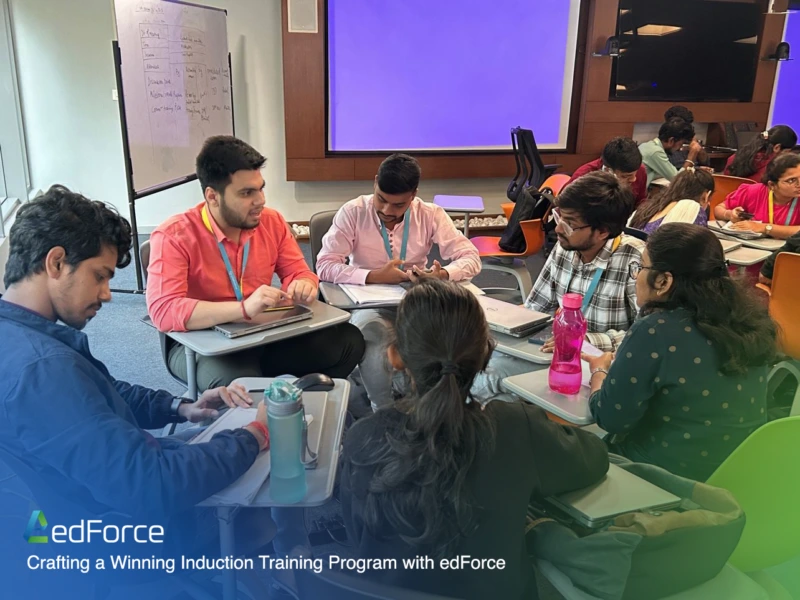
Are you looking to maximize the potential of your new employees right from the start? Crafting a winning induction training program is the key to setting your employees up for success from day one. At edForce, we understand the significance of effective onboarding and have developed a comprehensive solution to help you create a seamless and impactful induction training program for your organization. In this blog, we will delve into the essential components of a successful induction training program and how edForce can assist you in crafting a winning onboarding experience for your new hires. Understanding the Importance of Induction Training Induction training is the first step in acquainting new employees with their roles, the company culture, and the expectations placed upon them. A well-designed induction program not only accelerates the integration of new employees into the organization but also sets the tone for their future performance and engagement. Effective induction training offers numerous benefits, including Faster Productivity: New employees become productive more quickly when they are equipped with the necessary knowledge and skills. Higher Retention Rates: Employees who receive a structured induction are more likely to stay with the organization for a longer period of time. Enhanced Morale: A positive onboarding experience fosters a sense of belonging and commitment among new employees. Key Components of a Winning Induction Training Program Crafting a successful induction training program involves a strategic approach and the inclusion of various crucial elements. Let’s explore the key components that contribute to a winning induction training program: Clear Onboarding Objectives Setting clear onboarding objectives is essential to ensure that new employees understand what is expected of them during the training period. These objectives should align with the organization’s goals and the specific role of the new hires. Comprehensive Training Materials Providing comprehensive training materials is vital for facilitating the learning process. This may include employee handbooks, procedural manuals, and other relevant documentation. Interactive Training Sessions Engaging new employees through interactive training sessions can significantly enhance their understanding and retention of information. Incorporating activities, simulations, and group discussions can make the onboarding process more dynamic and memorable. Role-specific Training Tailoring the induction training to the specific roles of the new employees is crucial for ensuring that they acquire the skills and knowledge necessary to excel in their positions. Mentorship and Support Assigning mentors or buddies to new employees can help them integrate into the organization more seamlessly. This support system provides guidance and assistance as they navigate their new roles. Feedback and Evaluation Regular feedback and evaluation mechanisms are essential for assessing the progress of new employees during the induction period. Constructive feedback can help them understand their strengths and areas for improvement. Leveraging edForce for Crafting a Winning Induction Training Program Now that we understand the key components of a successful induction training program, let’s explore how edForce can help you craft a winning onboarding experience for your new hires. 1. Tailored Learning Paths edForce offers the flexibility to create tailored learning paths for different roles within your organization. This ensures that each new employee receives training that is relevant to their specific responsibilities, maximizing the effectiveness of the onboarding process. 2. Interactive Learning Modules Our platform provides interactive learning modules that engage new employees and facilitate a deeper understanding of the material. With features such as simulations, quizzes, and multimedia content, the onboarding experience becomes more dynamic and impactful. 3. Mentorship Integration edForce enables easy integration of mentorship programs into the onboarding process. By connecting new employees with mentors through the platform, we foster a supportive environment that accelerates their integration and learning. 4. Progress Tracking and Analytics With edForce, you can track the progress of new employees throughout the induction training program. Our analytics provide valuable insights into the effectiveness of the onboarding process, allowing you to make data-driven improvements. 5. Seamless Onboarding Experience Our platform offers a seamless onboarding experience, ensuring that new employees have access to all the necessary resources and support they need to succeed from day one. Crafting a winning induction training program is a critical investment in the success of your new employees and the overall performance of your organization. By focusing on clear objectives, comprehensive training materials, interactive sessions, role-specific training, mentorship, and feedback, you can create an onboarding experience that sets the stage for long-term success. With edForce, you have the tools and support needed to streamline the onboarding process and create a positive and impactful experience for your new hires. Reach out to us today to learn more about how edForce can help you craft a winning induction training program that drives success for your organization.
What are the purpose and need of Corporate Training?

What is Corporate Training? Corporate training refers to the process of providing professional development and skill-building opportunities to employees within a company or organization. These training programs can be designed to help employees acquire new skills, improve their performance, or advance their careers. Corporate training can be delivered in various forms, including in-person, online, or a combination of both. Corporate Training includes: Corporate Training is needed for several reasons Keeping employees up-to-date with the latest skills and technologies: As industries and technologies are constantly evolving, it is important for employees to stay current in order to perform their jobs effectively. Corporate training can help employees acquire new skills and knowledge that are relevant to their current roles or prepare them for future roles within the company. Corporate training is an important investment for companies as it helps to ensure that employees have the skills and knowledge they need to perform their jobs effectively, stay current with industry trends, and comply with regulations. Additionally, it helps to create a motivated, engaged, and skilled workforce, which can lead to improved performance and business growth with edForce. Purpose of Corporate Training? Corporate training, also known as co-op training or work-integrated learning, is a type of education and training program that combines classroom instruction with on-the-job work experience. The purpose of cooperative training is to provide students with the opportunity to apply the knowledge and skills they have learned in the classroom to real-world work situations, while also gaining valuable work experience. The main purpose of corporate training is to bridge the gap between education and employment by providing students with practical, hands-on experience in their chosen field of study. It allows students to apply what they have learned in the classroom to real-world problems and projects, while also gaining an understanding of the industry, the work culture, and the work ethics. Specific purposes of Corporate Training may include: The purpose of corporate training is to provide students with practical, hands-on experience in their chosen field of study, to help them gain relevant work experience, to help them make informed decisions about their careers, and to develop important skills that are valued by employers. Corporate training typically focuses on teaching skills and knowledge that are specific to a particular company or industry. This may include topics such as: Roles and responsibilities of Corporate Trainer in detail The roles and responsibilities of a corporate trainer can vary depending on the company and the specific training program, but generally include the following: Recommended Reads
Beyond Boundaries: edForce Corporate Trainings and Upskilling Landscape

edForce, a global leader in corporate training and upskilling solutions, has been transforming how organizations empower employees with the knowledge and skills needed to excel in the modern workplace. This article will delve into edForce corporate training landscape, exploring its innovative approach, impact on businesses, and vision for the future. The Changing Landscape of Corporate Trainings The corporate training landscape has undergone a significant transformation in recent years. Traditional classroom-based training has given way to more flexible and technology-driven approaches. The rapid advancement of digital technology and the changing nature of work have created a demand for continuous learning and upskilling. edForce has been at the forefront of this transformation, offering a range of solutions tailored to the needs of modern businesses. Their approach goes beyond conventional training methods, embracing the principles of flexibility, personalization, and innovation. Personalization: The Key to Effective Learning One of edForce core principles is personalization. They understand that one size does not fit all in corporate training. Each employee brings unique skills, experiences, and learning preferences. edForce leverages technology and data analytics to create personalized learning paths for employees, ensuring that the training aligns with individual goals and the company’s objectives. Through advanced algorithms and machine learning, edForce platform assesses employees’ existing skills and knowledge gaps. This data-driven approach allows organizations to target training resources effectively, focusing on areas where employees need the most support. As a result, employees are more engaged, motivated, and likely to retain the information they learn. Flexibility: Learning on the Go The modern workforce is increasingly mobile and dispersed. Traditional training models often struggle to accommodate employees working remotely or having varying schedules. edForce solution is to offer flexibility in how and where employees access training materials. Their platform is accessible from any device with an internet connection, allowing employees to learn at their own pace and convenience. Whether it’s a quick microlearning module during a lunch break or a deep dive into a complex subject after hours, edForce empowers employees to take control of their learning journey. Furthermore, the flexibility extends to the content itself. edForce offers a vast library of training resources that can be easily customized to suit an organization’s specific needs. This adaptability ensures that training remains relevant and aligned with the rapidly evolving demands of the business world. Innovation in Corporate Tranings: Embracing Technology edForce commitment to innovation is evident in its adoption of cutting-edge technologies. They understand that traditional training methods no longer suffice in today’s digital age. As a result, they have integrated immersive learning experiences, such as virtual reality (VR) and augmented reality (AR), into their training modules. These technologies provide employees with realistic, hands-on experiences in a safe and controlled environment. For example, in industries like healthcare and manufacturing, where hands-on skills are crucial, edForce VR and AR simulations allow employees to practice and refine their abilities without real-world risks. This not only enhances their skills but also boosts confidence and reduces errors. The Impact on Businesses edForce approach to corporate training and upskilling has profoundly impacted businesses across various industries. Organizations have reported significant improvements in employee performance, productivity, and job satisfaction by aligning training with employees’ individual needs and the company’s objectives. Improved Employee Performance: Personalized training ensures employees acquire the skills and knowledge required to excel in their roles. This, in turn, leads to improved job performance and better overall business outcomes. Employees who feel supported in their professional development are likelier to go the extra mile and contribute positively to the organization’s success. Enhanced Productivity: The flexibility offered by edForce platform means that employees can access training materials when it suits them best. This reduces disruptions to workflow and allows for continuous learning without significant time away from daily tasks. Consequently, organizations experience enhanced productivity as employees acquire new skills without sacrificing their daily responsibilities. Reduced Turnover: Employee turnover is a costly concern for businesses. Organizations can increase employee loyalty and retention rates by investing in the development and upskilling of their workforce. edForce personalized approach to training fosters a sense of value and investment in employees, making them more likely to stay with their current employer. Competitive Advantage: In today’s competitive landscape, having a well-trained and adaptable workforce is a significant advantage. Companies that invest in ongoing training and upskilling are better equipped to respond to market changes, technological advancements, and evolving customer needs. This gives them a competitive edge in their respective industries. Future Vision edForce commitment to innovation and excellence in corporate training and upskilling does not end here. They have a clear vision for the future, built on the foundation of adaptability and continued evolution. Artificial Intelligence Integration: edForce plans further to integrate artificial intelligence (AI) into its platform. This will enhance the personalization of training content by providing real-time recommendations based on an employee’s progress and performance. AI-driven insights will also help organizations make data-informed decisions about their training strategies. Expanded Course Offerings: edForce recognizes the importance of staying ahead of industry trends. They plan to continually expand their library of courses to cover emerging technologies and skills that will be in high demand in the future. This ensures that organizations using edForce’s platform remain at the forefront of their industries. Global Reach: edForce’s success has already transcended borders, but their vision includes expanding their reach to even more global markets. They aim to make their platform accessible to organizations of all sizes, from multinational corporations to small businesses. Partnerships and Collaboration: Collaboration is central to edForce’s vision. They actively seek partnerships with industry leaders, educational institutions, and subject matter experts to enrich their training content and ensure its relevance in the ever-changing corporate landscape. FAQ’s
The Best Corporate Trainer to upskill workforce – edForce

As companies continue to evolve and adapt to the ever-changing business landscape, the need for a highly skilled workforce becomes increasingly important. One of the best ways to upskill your workforce is by hiring a corporate trainer who can provide the necessary training and knowledge to your employees. In this blog, we will explore the importance of a corporate trainer and how edForce can provide the best corporate trainer to upskill your workforce. What is a Corporate Trainer? A corporate trainer is an individual who specializes in providing training and development programs to businesses and organizations. Their main goal is to improve the skills, knowledge, and performance of the employees in the company. Corporate trainers work closely with management teams to identify areas where employees require training and development programs to meet those needs. Why is a Corporate Trainer Important? A corporate trainer is crucial to the success of any business. They help to increase the efficiency and productivity of employees, which ultimately leads to a more successful company. A well-trained workforce is also more motivated and engaged in their work, which leads to higher job satisfaction and lower employee turnover. In addition to improving the skills and knowledge of employees, a corporate trainer can also provide numerous other benefits to a business. For example, they can help to create a culture of continuous learning and development within the company. This can lead to a more innovative and forward-thinking organization, which is better equipped to compete in the modern business world. The Best Corporate Trainer for Your Business – edForce If you are looking for the best corporate trainer to upskill your workforce, look no further than edForce. As a workforce upskilling accelerator, edForce specializes in providing high-quality training and development programs to businesses of all sizes. Our experienced corporate trainers are experts in their respective fields and have years of experience in providing effective training to employees. At edForce, we take a unique approach to corporate training. We believe that the best way to upskill employees is by providing personalized training programs that are tailored to the specific needs of your business. Our trainers work closely with management teams to identify areas where employees require training and develop customized programs to meet those needs. We also understand that time is money. Due to which is why our training programs are designed to be as efficient and effective as possible. We use the latest technology and teaching methods to ensure that employees can quickly learn and apply new skills. In addition to our customized training programs, edForce also offers a wide range of other services to help businesses upskill their workforce. These include career coaching, leadership development, and talent management programs. Conclusion In conclusion, a corporate trainer is a crucial part of any successful business. They help to upskill employees, increase productivity, and create a culture of continuous learning and development. If you are looking for the best corporate trainer for your business, look no further than edForce. With our customized training programs and experienced trainers, we can help your workforce reach their full potential and drive your business to new heights. Recommended Reads
Corporate Trainer Vs Online Training: Understanding the Differences
Traditional methods of training are evolving, giving rise to various options for upskilling employees. Among these options, two prevalent approaches stand out: corporate trainers and online training platforms. Each method offers unique benefits and caters to different learning styles and organizational needs. In this article, we’ll delve into the distinctions between corporate trainers and online training, exploring their advantages, limitations, and suitability for modern businesses. The Role of Corporate Trainers Corporate trainers are experienced professionals hired by organizations to deliver personalized learning experiences to employees. These trainers possess in-depth knowledge of their respective fields and are skilled in facilitating engaging and interactive training sessions. Typically, corporate trainers conduct on-site workshops, seminars, and coaching sessions tailored to address specific skill gaps within the workforce. One of the key advantages of hiring a corporate trainer is the ability to customize training content according to the organization’s needs. Trainers can adapt their approach based on the company culture, industry requirements, and employee skill levels. This personalized touch fosters a more engaging learning environment and ensures that the training resonates with participants. Moreover, corporate trainers offer real-time feedback and guidance, allowing employees to receive immediate support and clarification on complex concepts. This interactive feedback loop promotes active learning and enables individuals to apply newly acquired knowledge directly to their roles. However, traditional corporate training methods can be time-consuming and costly, especially for large organizations with dispersed teams. Coordinating schedules, securing venues, and arranging travel logistics for trainers can incur significant expenses and logistical challenges. The Rise of Online Training Platforms On the other hand, online training platforms have gained popularity due to their flexibility, scalability, and cost-effectiveness. These platforms leverage digital technologies to deliver training content remotely, allowing employees to access learning materials anytime, anywhere. Leading live online training platforms like edForce offer a vast library of courses covering a wide range of topics, from technical skills to soft skills and leadership development. One of the primary advantages of online training is its accessibility and convenience. Employees can participate in self-paced courses, webinars, and virtual workshops without the constraints of time or location. This flexibility is particularly beneficial for organizations with remote or geographically dispersed teams, as it eliminates the need for travel and accommodation expenses. Additionally, online training platforms utilize data analytics and reporting tools to track learners’ progress and performance. This valuable insight enables organizations to identify knowledge gaps, assess training effectiveness, and make data-driven decisions to improve learning outcomes. However, online training may lack the personalized touch and immediate feedback offered by corporate trainers. While some platforms incorporate interactive elements such as quizzes, forums, and live chat support, the level of engagement may vary compared to face-to-face interactions with a trainer. Choosing the Right Approach When deciding between a corporate trainer and online training platform, organizations must consider their specific goals, budgetary constraints, and workforce dynamics. While both methods have their merits, the ideal approach may vary depending on factors such as the nature of the training content, the size of the organization, and the availability of resources. For example, if the training requires hands-on skills development or sensitive topic discussions, a corporate trainer may be the preferred option to ensure personalized guidance and support. Conversely, if the goal is to provide broad-based knowledge on industry trends or technical competencies, an online training platform like edForce may offer a more efficient and scalable solution. Ultimately, successful training initiatives often combine elements of both approaches, leveraging the strengths of each to create a comprehensive learning experience. Organizations can complement traditional training sessions with online courses, virtual simulations, and peer-to-peer collaboration to cater to diverse learning preferences and maximize engagement. FAQ’s
Corporate Trainer vs. Coach: What’s the Difference?

These days, everyone’s talking about building better teams, stronger leaders, and more agile workplaces. And somewhere in that conversation, the terms training and coaching often get mixed up. At edForce, we’ve seen it firsthand: companies invest in training programs expecting long-term behavior change, or they turn to coaching when a skill gap is the real issue. The result? Confusion, wasted effort, and missed opportunities. Here’s the thing: training and coaching both develop people, but in very different ways. If you’re wondering which one your team requires or how to combine both, you’re in the right place. Let’s get it! What is Training? Training is when someone (most likely a trainer) teaches you something new. It might be a skill, a tool, or a process you need to do your job. For example: Training is usually structured. It follows a set plan and often happens in a group. The trainer is the expert, and their job is to teach you what you need to know. You’ll often see training used in workshops, online courses, or classroom sessions. At edForce, this is one of our specialties, We create custom training programs that are straightforward, helpful, and made to fit your company’s needs. What Does a Corporate Trainer Do? A corporate trainer is someone who helps employees learn the skills they need to do their jobs better. This could include anything from technical know-how to communication, leadership, or teamwork. They typically work with groups, either face-to-face or virtually, and have a planned agenda. The goal is to make sure that all the participants understand the subject matter and are able to apply it in actual working scenarios. At edForce, our corporate trainers are not only subject matter experts, but they also know how to make learning practical, engaging, and specific to your business needs. Whether it’s new hire onboarding, upskilling current staff, or implementing a new system, our trainers can help you develop confident, competent employees. What is Coaching? Coaching is not the same as training. A coach won’t tell you what to do. Instead, they’ll help you figure it out yourself. A coach will ask you questions, listen deeply, and guide you as you explore your own thoughts and goals. They’re not giving you answers, but they’re helping you find your own answers. For example, a coach can help an individual: Coaching is typically one-on-one. It’s more personal, and it’s about long-term development, not short-term projects. The Key Differences Here’s a quick table to show how training and coaching differ: Training Coaching Trainer teaches skills Coach helps you find your own answers Structured and follows a plan Flexible and based on your goals Group setting One-on-one Short-term Long-term Focus on learning Focus on personal growth Trainer leads Coachee leads Both are valuable, but they’re used for different reasons. Why Coaching Matters Coaching might sound fancy or complicated, but it’s not. In fact, it’s something any good leader can do – no special degree needed. At its simplest, coaching is about: When leaders think like coaches, they spend less time fixing problems for their team and more time helping their team fix problems themselves. This creates trust, autonomy, and confidence. It also saves managers from burnout, because they’re not doing all the work themselves! When to Use Training vs. Coaching? Here’s how to find out what your team needs: Here’s a brief example: Imagine you hire a new team member. First, they need training to understand the tools and tasks. But once they’re settled, you might coach them to grow their confidence, take on new responsibilities, or become a leader themselves. Training provides the skills. Coaching develops the individual. How edForce Can Help? At edForce, we are aware that the best teams require both solid training and intelligent coaching. That’s why we don’t just offer one or the other; instead, we allow you to create a complete learning culture. We believe that learning isn’t just about checking a box. It’s about helping people do their best work and become the best version of themselves. Final Thoughts Training and coaching are both necessary, but they’re not the same. At edForce, we help you with doing both because we know true success comes when individuals are proficient, assured, and prepared for what lies ahead. Need to know how we can help your team develop? We’d be delighted to discuss. FAQ’s
Career-Ready Fresh Graduate Training Programs

edForce’s training programs are made to help fresh graduates move from school to work. They focus on career growth and improving professional skills. In today’s job market, new graduates in India find it hard to get their first job because they lack the right skills. edForce knows this problem and offers training to change your career path. They give you the skills and experience needed to do well in your job. edForce’s programs are all about helping fresh graduates succeed. They learn the skills and gain experience needed to move up in their careers. These programs are a great way to start your career and make a big difference in your field. Bridging the Gap Between Education and Employment The traditional education system often doesn’t give students the practical skills needed by the industry. This leads to a big gap between education and employment. Graduates then struggle to find jobs because they’re not ready. To solve this, we need to focus on making students employment-ready. We should offer graduate programs that prepare students for real-world challenges in their careers. Industry reports show the skills gap and its effect on jobs. edForce tackles this by creating graduate training programs that focus on employment readiness. These programs aim to give graduates the skills they need to succeed in their careers, making them more employable. Understanding the Skills Gap in Today’s Job Market The skills gap is a big problem, with many graduates lacking the practical skills needed by the industry. This gap comes from traditional education’s focus on theory over practice. Graduates then find it hard to meet the job market’s demands, showing the need for practical training in graduate programs. Why Traditional Education Isn’t Enough Traditional education gives a good start, but it’s not enough today. The job market changes fast, needing graduates with technical, business, and soft skills. edForce’s graduate programs meet this need with a curriculum that prepares students for the modern workplace. They focus on making students employment-ready. Fresh Graduate Training Programs That Shape Future Leaders edForce is key in shaping future leaders with its fresh graduate training. These programs offer industry-aligned training to give participants the skills they need. They focus on career development to help fresh graduates grow and succeed in their fields. Success stories from edForce’s alumni show how effective these programs are. edForce’s training is all-encompassing. It teaches technical skills and soft skills for leadership roles. This way, edForce prepares fresh graduates for the real world. Joining edForce fresh hire training programs can boost your career development a lot. You’ll get the skills and knowledge to excel in your career. This makes you a top choice for employers. Industry-Aligned Skill Development Pathways edForce’s training programs aim to connect education with the job world. They offer skill paths that match industry needs. This ensures participants get the skills needed to thrive in their careers. These programs focus on technical skills enhancement. This means participants learn the latest tech needed for their jobs. This makes them stand out in the job market. But edForce doesn’t stop there. They also work on soft skills development. Soft skills like communication and teamwork are key to success. By improving these skills, participants can make a real difference in their workplaces. edForce’s approach is to teach both technical and soft skills. This way, they create professionals who are well-rounded and ready for the job world. Technical Skills Enhancement Technical skills are a big part of edForce’s programs. They give participants the latest tech knowledge. This keeps them current with industry trends and practices. This focus on technical skills boosts their job chances. It makes them more appealing to employers. Soft Skills Development Soft skills are also a major part of edForce’s training. They focus on skills like communication and teamwork. These are essential for success in today’s fast-paced business world. With strong soft skills, participants become more confident and adaptable. They become more effective in their roles. Hands-On Learning Experience edForce’s training programs offer a hands-on learning experience. They focus on practical training that mirrors real-world scenarios. This method is backed by research, showing it leads to better skill retention and understanding. By focusing on practical application, participants can use their skills right away. This makes them ready for the job from day one. Studies prove that hands-on learning boosts career success. edForce’s practical learning approach is a big reason for its success. It helps participants gain the skills and confidence needed to excel in their fields. Participants in edForce’s programs get to do a variety of practical activities. These include simulations, case studies, and group projects. These activities are designed to reflect real-world situations, helping participants develop essential skills and knowledge. With a focus on practical training, edForce’s programs equip participants with the skills and confidence needed for success. This makes edForce an excellent choice for those looking to stand out in the job market. Mentorship and Professional Guidance At edForce, we know how key mentorship and guidance are for new graduates. Our programs aim to offer the support needed to reach career goals. We help participants succeed in their chosen fields. Personalized Career Advice Our one-on-one career counseling gives personalized advice. It’s tailored to each participant’s career goals. This helps them understand their aspirations and plan to achieve them. Insights from Industry Experts Our industry expert sessions share the latest trends and challenges. This keeps participants informed and gives them a competitive edge. By attending, they learn from experienced professionals and understand the industry better. With edForce’s mentorship and guidance, participants can connect with professionals. These connections are key for their future careers. Our programs are designed to help new graduates reach their full potentials and succeed in their fields. Success Metrics and Placement Support At edForce, we focus on our participants’ success. We track success metrics like placement rates, job satisfaction, and career growth. This shows our training programs are effective in preparing them for work. We also offer strong placement support. We work with participants
Campus Hire Training: Benefits of Hiring from Campus

What is Campus Hire Training? As companies strive to stay ahead in an ever-evolving market, workforce development has become a key factor in achieving success. Campus hire training is a crucial component of this development process, as it allows companies to invest in the education and development of the next generation of talent. Benefits of Campus Hire Training Campus hiring is the process of recruiting fresh graduates from colleges and universities. Campus hire training is the training given to these new employees to equip them with the skills necessary for the job. In this blog, we will explore the benefits of campus hire training and why it is a smart move for any company looking to invest in its workforce. Campus hiring allows companies to tap into a pool of fresh talent that is ready and eager to learn. Graduates bring new ideas and perspectives to the table, which can be invaluable to a company’s growth and innovation. These employees are also more likely to be up-to-date with the latest technologies and trends, making them an asset in a fast-paced industry. Training new hires can be expensive, especially when it comes to senior-level positions. However, campus hire training can be a cost-effective solution to this problem. By hiring fresh graduates, companies can save on the cost of hiring experienced professionals and invest in training new hires to meet their specific needs. Campus hire training is a long-term investment in the company’s workforce. By investing in the education and development of new hires, companies are building a foundation of skilled workers who will be with the company for years to come. This not only saves on the cost of turnover but also ensures that the company has a steady stream of skilled employees for the future. Hiring from campus allows companies to find candidates who are a good cultural fit for the organization. These candidates are more likely to share the company’s values and work well with the existing team. This can lead to better employee engagement, job satisfaction, and retention. Campus hiring can also be a great way to build the company’s brand. By actively participating in campus recruitment programs, companies can create a positive image among the student community. This can attract top talent to the organization, even before they graduate. Campus hire training provides companies with the flexibility to train employees to meet their specific needs. The training can be customized to meet the company’s requirements, ensuring that the new hires are equipped with the necessary skills to excel in their roles. Campus hiring can also increase diversity within the company. By recruiting from a diverse pool of students, companies can bring in employees from different backgrounds and experiences. This can lead to a more inclusive work environment and a broader range of ideas and perspectives. Conclusion In conclusion, campus hire training is a smart move for any company looking to invest in its workforce. It provides access to fresh talent, is cost-effective, is a long-term investment, promotes a cultural fit, builds the company’s brand, provides flexibility, and increases diversity. With the right training program in place, companies can transform new graduates into skilled employees who will help drive the company’s success for years to come. Recommended Reads