


How to Measure ROI of Employee Training Without Guesswork

Every forward-thinking company has realized that employee training is a vital investment. One question is always asked by HR, L&D, and business leaders. Is training working? You may have already faced this problem if you are an active professional or business decision maker. When training programs appear good on paper, but do not have a measurable impact on the business, then you are in real trouble. How can you determine the ROI for employee training, without relying solely on gut feelings or assumptions? Here’s a look. Why Measuring ROI on Training is Important Many organizations have training programs because it is deemed necessary. Training becomes a cost if you don’t measure the results. Measuring ROI can help you: ROI measures ensure that every dollar and hour spent on resources is justified. What is the ROI of training? The Training ROI shows you the return on investment that your organization receives from its training investments. It compares training costs to the benefits they produce. Many companies use the following formula: Aspect The word “meaning” is used to describe the meaning of the phrase Benefits Reduced errors, increased productivity, improved performance, and better customer satisfaction Costs Trainer fees, employee time, and resources ROI = (Training Cost – Training Benefits) / 100 Are you going to launch a new initiative in training? You will make better decisions if you know how to calculate ROI. How to measure ROI of training without guesswork 1. Set clear training goals Define success. As an example, you might define success as faster task completion, higher sales, reduced compliance errors or increased retention. 2. Measure pre-training performance First, you need to understand the situation. Start by collecting baseline data, such as employee output or time spent per task. 3. Track skill gains during and after training Assesses, real-project evaluations and manager observations can be used to determine if the employees have improved. 4. Connect Business Metrics with Outcomes Many companies have difficulty in this area. Converting improvements into measurable values is a challenge for many companies. As an example: 5. Calculate your Final ROI Your ROI will become clearer once you compare the benefits with the costs. There are many tools and platforms that can help Modern learning platforms enable businesses to track employee performance, growth and alignment of cost-benefit. Solutions like edforce.co, for example, offer structured training frameworks and skill gap analytics that allow organizations to make data-driven decision rather than relying solely on assumptions. Common mistakes to avoid Simple Example Training Focus Cost Measurement of Impact ROI (Return on Investment) Customer handling training 1,00,000 Approx Retention of clients worth 250,000 Positive ROI of 150% Cybersecurity Awareness 75,000 Approx Averted a possible security incident of 5,00,000 Strong ROI Case The following simple comparison shows the transformation of training into real business value. Do You Want a Smarter Learning Strategy? It’s time to move from guesswork and learning measurements to evidence-based measurement if your training investment is not showing results. How to show you care about growth When approached systematically, calculating ROI isn’t difficult. Training can be a powerful tool for business growth when it is done with clarity, tracking and the correct tools.
Upskill Workforce with edForce: Empower Your Team for Success
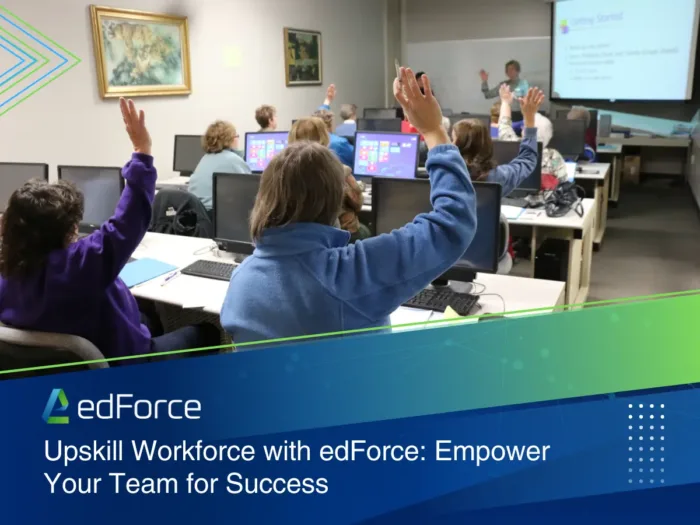
In today’s fast-paced and ever-evolving business landscape, the need for a skilled and adaptable workforce has never been more crucial. As industries undergo rapid changes driven by technological advancements and shifting market demands, companies that invest in their employees’ growth and development are far better positioned to overcome these challenges, outpace competitors, and lead innovation. A powerful strategy to achieve this is through upskilling—teaching employees new and relevant skills that enhance their performance, confidence, and overall value to the organization. Upskilling not only ensures that team members stay current with industry standards but also fosters a culture of continuous learning and growth, boosting morale and employee retention. The benefits are substantial, extending beyond individual development to include increased productivity, organizational resilience, and improved agility. edForce, a leader in workforce training and development, offers a range of tailored solutions designed to help companies cultivate these essential skills within their teams. In this article, we’ll explore why workforce upskilling is essential, the wide-ranging advantages it brings to employees and employers alike, and how edForce’s innovative approach can empower your team, preparing them—and your organization—for sustained success. The Importance of Workforce Upskilling Workforce Upskilling is more than just a buzzword; it is a strategic approach that ensures your organization remains agile, competitive, and ready to tackle future challenges. Here are some key reasons why upskilling your workforce is essential: 1. Adaptability to Technological Advancements The rapid pace of technological change means that the skills required today may become obsolete tomorrow. By investing in upskilling, organizations can ensure that their employees are equipped with the latest knowledge and tools to adapt to new technologies, processes, and industry trends. This adaptability is crucial for staying relevant in a digital-first world. 2. Improved Employee Retention and Satisfaction Employees who feel valued and see opportunities for growth within their organization are more likely to stay loyal and committed. Upskilling initiatives not only enhance employees’ skill sets but also boost their job satisfaction and morale. When employees see that their employer is invested in their professional development, they are more likely to stay with the company, reducing turnover rates. 3. Increased Productivity and Efficiency A well-trained workforce is a productive one. By equipping employees with the necessary skills and knowledge, companies can optimize their operations, streamline processes, and enhance overall efficiency. Upskilling can lead to better decision-making, problem-solving, and innovation, which ultimately contributes to improved productivity and business outcomes. 4. Meeting Industry Standards and Compliance Many industries have specific regulations and standards that companies must adhere to. Upskilling ensures that employees are well-versed in the latest compliance requirements, reducing the risk of legal issues and ensuring that the organization remains in good standing with regulatory bodies. 5. Closing the Skills Gap The skills gap is a growing concern for many organizations. As industries evolve, the demand for specialized skills often outpaces the availability of qualified talent. Upskilling allows companies to bridge this gap by developing the skills they need in-house, rather than relying solely on external hiring. Benefits of Upskilling for Employees Upskilling is not just beneficial for organizations; it also has a profound impact on employees’ careers and personal growth. Here are some of the key benefits for employees: 1. Career Advancement Opportunities Upskilling provides employees with the tools they need to take on new responsibilities and advance their careers. By acquiring new skills, employees become more valuable to their organization and are better positioned for promotions, salary increases, and leadership roles. 2. Increased Job Security In an uncertain job market, having a diverse skill set can provide employees with a sense of security. Upskilling makes employees more adaptable and capable of taking on different roles within the organization, reducing the risk of job displacement due to technological advancements or changes in market demand. 3. Enhanced Job Satisfaction Learning new skills and taking on challenging projects can lead to a greater sense of accomplishment and job satisfaction. Upskilling allows employees to take on more meaningful and engaging work, which can contribute to a more fulfilling career. 4. Personal Development Upskilling is not just about career growth; it also contributes to personal development. Employees who engage in continuous learning often experience increased self-confidence, improved critical thinking abilities, and a greater sense of purpose. 5. Networking and Collaboration Upskilling programs often involve collaboration with colleagues from different departments or even industry experts. This exposure can lead to valuable networking opportunities and the exchange of ideas, fostering a culture of collaboration and innovation within the organization. How edForce Can Empower Your Team for Success? When it comes to upskilling your workforce, choosing the right partner is crucial. edForce is a leading provider of upskilling solutions designed to empower organizations and their employees. Here’s how edForce can help your team achieve success: 1. Customized Learning Programs edForce understands that every organization has unique needs and goals. That’s why they offer customized learning programs tailored to your specific industry, business objectives, and workforce requirements. Whether you’re looking to enhance technical skills, leadership capabilities, or soft skills, edForce can design a program that aligns with your organization’s vision. 2. Expert Instructors and Industry-Relevant Content One of the key strengths of edForce is its team of expert instructors who bring real-world experience and industry knowledge to the table. The content provided by edForce is up-to-date, relevant, and aligned with industry standards, ensuring that your employees are learning the skills that matter most. 3. Flexible Learnings Options In today’s busy work environment, flexibility is essential. edForce offers a range of learning options, including online courses, in-person workshops, and blended learning solutions. This flexibility allows employees to learn at their own pace, making it easier to balance work responsibilities with personal development. 4. Measurable Results and ROI edForce is committed to delivering measurable results. They provide tools and analytics to track the progress of your upskilling initiatives, allowing you to see the impact on employee performance and overall business outcomes. This focus on results ensures that your investment in upskilling delivers a strong return on investment (ROI). 5.
Tips for Engaging in Live Instructor-Led Training by edForce

Live instructor-led training (LILT) has become a cornerstone of effective corporate learning and professional development. Unlike pre-recorded sessions or self-paced modules, live instructor-led training provides learners with real-time interaction, expert guidance, and an immersive experience that fosters both understanding and engagement. Whether you’re an employee, a manager, or a student, maximizing the benefits of live training requires preparation, active participation, and a strategic approach. Here are some actionable tips to ensure you make the most of your live instructor-led training sessions. Live Instructor-Led Training Overview Before attending any session, it’s crucial to understand the purpose behind the training. Is it to upskill in a particular domain, enhance soft skills, or prepare for a new role? By aligning your goals with the objectives of the training, you can tailor your focus and actively engage with the content being delivered. Organizations like edForce emphasize the importance of targeted live instructor-led training, as it bridges the gap between theoretical learning and practical application, ensuring employees are job-ready. Prepare in Advance Preparation is the key to success in any training format, and live instructor-led training is no exception. Here’s how you can prepare effectively: Actively Participate During the Session Engagement is critical to making live training sessions impactful. Unlike passive learning, active participation helps reinforce concepts and keeps you involved. Leverage Technology Effectively Live instructor-led training often incorporates advanced technologies to enhance the learning experience. Make the most of these tools: Organizations like edForce integrate cutting-edge technologies to ensure that their live training sessions are seamless, interactive, and efficient. Manage Your Environment A conducive learning environment is essential for productive live instructor-led training. Consider these tips: Develop a Post-Session Action Plan Learning doesn’t end when the session concludes. To truly benefit from live instructor-led training, implement a post-session plan: The edForce Advantage For organizations looking to deliver impactful live instructor-led training, edForce offers unparalleled expertise. With a strong emphasis on experiential learning, edForce combines the latest technologies, experienced instructors, and customized content to address unique organizational needs. Whether it’s onboarding, upskilling, or leadership development, edForce ensures every session is engaging, relevant, and results-driven. Their focus on live instructor-led training underscores their commitment to delivering learning experiences that truly make a difference. Monitor Your Progress Tracking your progress ensures that you’re meeting your learning goals. Here’s how you can stay on top of your journey: Benefits of Live Instructor-Led Training Understanding the unique benefits of live instructor-led training can motivate you to engage more effectively: Live instructor-led training is a dynamic and effective way to acquire new skills, deepen your understanding, and enhance your professional capabilities. By preparing in advance, actively participating, leveraging technology, and applying post-session strategies, you can maximize your learning outcomes. Platforms like edForce are redefining live training by delivering tailored, interactive, and impactful sessions. Whether you’re an individual learner or part of an organization, these tips will ensure you reap the full benefits of live instructor-led training. FAQs
Induction Training Programs by edForce: Empowering New Hires
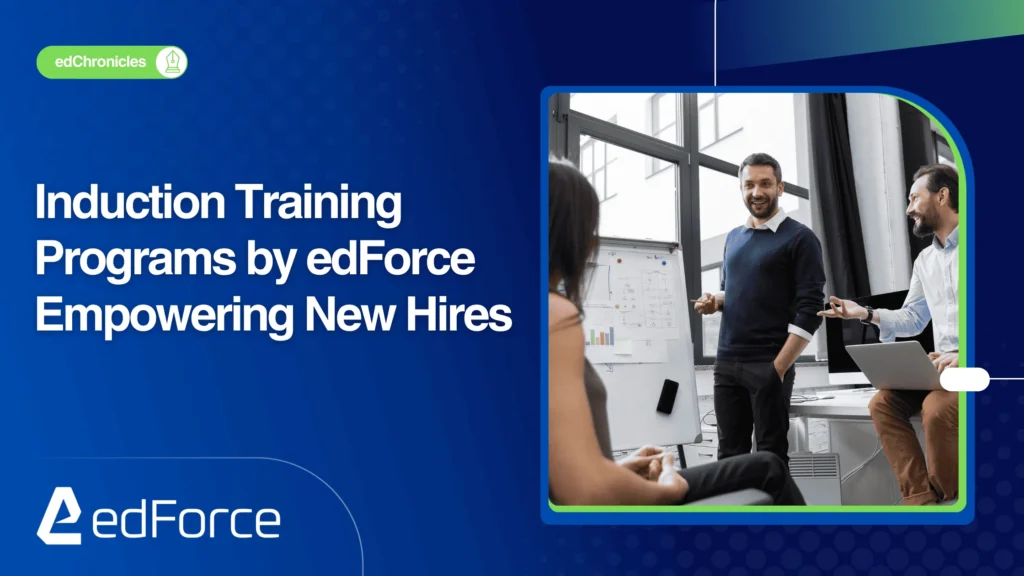
Bringing new employees onboard effectively is crucial to setting the tone for a productive, engaged, and motivated workforce. Induction training is often the first structured encounter a new hire has with their organization, making it a pivotal opportunity to instill a strong sense of purpose and belonging. edForce, a leading provider of workforce upskilling solutions, has developed cutting-edge induction training programs that not only prepare new hires for their roles but also integrate them seamlessly into the company’s culture. This article explores how induction training by edForce empowers new hires, supports organizational goals, and builds a foundation for long-term success. By prioritizing a strategic approach to onboarding, companies can reduce turnover rates and enhance employee satisfaction. A well-executed induction process is not just an introduction but a pathway to sustained organizational excellence. Why Induction Training Matters for New Hires Induction training is essential for multiple reasons. It helps new employees understand the company’s mission, vision, values, and objectives. It introduces them to essential processes, policies, and tools that will aid in their job performance. Additionally, it provides a platform to engage with team members, ask questions, and receive valuable feedback. Induction training bridges the gap between recruitment and active engagement, setting up employees for a smooth transition into their roles. For many organizations, poorly designed or inadequate onboarding can lead to confusion, low morale, and high employee turnover. edForce’s induction training programs ensure that organizations have a structured and engaging onboarding process, ultimately reducing the risk of new hires feeling overwhelmed or disconnected from their teams and responsibilities. The Role of edForce in Induction Training Programs edForce specializes in delivering customized, impactful induction training programs that meet the specific needs of each organization. Recognizing that every organization has unique onboarding requirements, edForce collaborates with employers to create programs that are both engaging and comprehensive. The induction training programs by edForce are designed to focus on: With edForce’s dedication to creating high-impact training programs, organizations can ensure that every new hire feels supported, confident, and prepared to contribute from the outset. Key Benefits of edForce’s Induction Training Programs Induction training programs by edForce offer a range of benefits to both employees and employers, creating an environment where talent can thrive. 1. Boosts Employee Engagement and Retention Studies have shown that employees who undergo a structured and engaging onboarding process are significantly more likely to stay with the company. edForce’s programs encourage early involvement and engagement, helping new hires feel valued and appreciated. By reducing the disconnect often experienced by new employees, these programs boost morale and promote long-term retention. 2. Accelerates Productivity and Performance A well-structured induction program prepares employees to perform effectively in their roles much faster. edForce’s training modules include job-specific knowledge and skills, which accelerate the learning curve, enabling employees to contribute meaningfully in a shorter timeframe. 3. Aligns Employees with Organizational Goals edForce emphasizes the importance of aligning new hires with the organization’s goals. By fostering a shared understanding of the company’s vision and mission, edForce empowers employees to take ownership of their roles, making them feel like integral contributors to the organization’s success. 4. Builds Confidence and Competence Entering a new organization can be daunting. edForce’s comprehensive training programs equip new hires with the tools and resources needed to excel, fostering both confidence and competence. These skills, combined with an understanding of their roles, help employees hit the ground running. 5. Reduces Knowledge Gaps and Enhances Skill Sets edForce designs its induction training programs to address any knowledge gaps that new hires may have, particularly when transitioning to a new industry or role. Skill-building exercises are integrated to ensure that employees possess both the knowledge and competencies required for their positions. Components of edForce’s Induction Training Programs Orientation and Introduction to Company Culture The first few days of an employee’s journey are critical. edForce facilitates an engaging orientation that introduces employees to the company’s culture, policies, and values. This orientation fosters a sense of belonging, providing an opportunity for new hires to connect with their peers and superiors. Role-Specific Training Every role within a company demands a unique skill set. edForce’s induction training programs include job-specific modules, allowing new hires to get hands-on experience with the tools, systems, and workflows relevant to their positions. This structured approach reduces any ambiguity and prepares employees to start their roles with confidence. Essential Soft Skills Development While technical skills are crucial, soft skills such as communication, teamwork, and problem-solving are equally important. edForce emphasizes developing these skills early on, ensuring that employees can communicate effectively, resolve conflicts, and work collaboratively. Compliance and Safety Training Compliance is vital for every organization, especially in regulated industries. edForce ensures that new hires are familiar with company policies, industry regulations, and safety protocols, making them aware of their responsibilities and reducing the risk of regulatory breaches. Continuous Feedback and Evaluation edForce values continuous improvement, incorporating feedback mechanisms throughout the induction process. These feedback loops allow both the organization and the new hires to identify any areas for improvement, ensuring the training remains relevant, effective, and comprehensive. Customization: A Key Feature of edForce’s Induction Programs One of the distinguishing features of edForce’s induction training programs is their adaptability to meet the specific needs of any organization. With customized content and training techniques, edForce tailors each program to align with the unique culture, goals, and structure of the business. This adaptability ensures that new hires are well-equipped to succeed in their particular roles and that organizations get maximum value from their investment in onboarding. edForce’s team works closely with clients to understand their expectations and desired outcomes. This collaborative approach not only creates relevant, impactful programs but also enables organizations to refine their induction processes based on evolving requirements. The Future of Induction Training with edForce As businesses evolve, so too does the approach to onboarding and induction training. edForce remains committed to innovation, continuously updating its programs to include digital learning modules, gamification, and immersive technologies such as virtual reality. By incorporating these
The Future of Workforce Upskilling: Trends and Innovations
The demand for upskilling and reskilling has never been higher. With technological advancements reshaping industries at an unprecedented pace, businesses and workers alike are navigating a landscape where adaptability and continuous learning are essential for success. In this article, we delve into the emerging trends and innovative solutions driving the future of workforce upskilling, with a focus on how platforms like edForce are at the forefront of this transformative journey. The Rise of Remote Learning The COVID-19 pandemic accelerated the shift towards remote work and remote learning, prompting organizations to embrace digital solutions for upskilling their workforce. Remote learning platforms like edForce have seen a surge in demand as companies seek flexible and accessible training options for their employees. By leveraging online resources, workers can enhance their skills from anywhere in the world, breaking down geographical barriers and enabling lifelong learning opportunities. Personalized Learning Experiences One-size-fits-all training programs are becoming obsolete as companies recognize the importance of personalized learning experiences. edForce utilizes advanced algorithms and data analytics to tailor learning pathways based on individual strengths, weaknesses, and career goals. By providing personalized recommendations and adaptive learning modules, employees can acquire relevant skills more efficiently, leading to improved job performance and job satisfaction. Emphasis on Soft Skills Development In addition to technical skills, employers are placing a greater emphasis on soft skills such as communication, creativity, and emotional intelligence. edForce offers a comprehensive curriculum that addresses both technical and soft skill development, recognizing the importance of a well-rounded skill set in today’s competitive job market. By fostering interpersonal skills and emotional resilience, employees can thrive in diverse work environments and navigate complex challenges with confidence. Gamification and Microlearning Engagement is key to effective learning, and gamification has emerged as a powerful tool for enhancing learner motivation and retention. Platforms like edForce integrate gamified elements such as quizzes, badges, and leaderboards to make learning more interactive and enjoyable. Additionally, microlearning modules deliver bite-sized content that can be consumed on-the-go, allowing busy professionals to fit learning into their hectic schedules without feeling overwhelmed. Continuous Learning Culture The concept of lifelong learning is no longer a luxury but a necessity in today’s knowledge economy. Companies that foster a culture of continuous learning are better equipped to adapt to changing market dynamics and stay ahead of the competition. edForce enables organizations to cultivate a learning culture by providing access to a diverse range of courses and resources, fostering collaboration and knowledge sharing among employees, and rewarding continuous learning achievements. Leveraging AI and Automation Artificial intelligence and automation are revolutionizing the way we work, creating both opportunities and challenges for the workforce. Platforms like edForce leverage AI algorithms to analyze learning patterns, identify skill gaps, and recommend personalized learning paths. By harnessing the power of machine learning, employees can stay ahead of technological disruptions and future-proof their careers in an increasingly automated world. Focus on Diversity and Inclusion Diversity and inclusion are not only ethical imperatives but also business imperatives in today’s globalized marketplace. edForce is committed to promoting diversity and inclusion in the workforce by offering a wide range of courses that cater to diverse backgrounds, experiences, and perspectives. By embracing diversity in training programs, organizations can foster innovation, creativity, and productivity while creating a more equitable and inclusive work environment. Conclusion As the future of work continues to evolve, the importance of workforce upskilling cannot be overstated. Platforms like edForce are leading the charge by offering innovative solutions that empower individuals and organizations to thrive in an ever-changing landscape. By embracing remote learning, personalized experiences, soft skills development, gamification, continuous learning culture, AI and automation, and diversity and inclusion, edForce is shaping the future of workforce upskilling and helping bridge the skills gap in the digital age. FAQs
Why Businesses Trust edForce to Upskill Workforce in 2024
In today’s rapidly evolving digital landscape, businesses across industries are increasingly recognizing the need to stay not only current but ahead of the curve. Technological advancements, shifting market dynamics, and new consumer expectations have created an environment where continuous learning and employee upskilling are no longer optional—they’re essential. Upskilling has become a strategic imperative, providing companies with the agility to innovate, compete, and thrive amid constant change. For many businesses, this means partnering with experts who can deliver tailored, impactful training solutions that equip teams with the specific skills needed to excel. One of the top names in workforce upskilling in 2024 is edForce, a company known for its commitment to customized, results-driven training. By working with edForce, businesses gain access to cutting-edge training programs that are designed to meet unique organizational needs and prepare teams for the demands of a digital-first world. This article delves into the reasons why companies across sectors trust edForce to elevate their workforce capabilities and highlights how this partnership can pave the way for long-term success and resilience in an increasingly competitive global market. The Growing Need for Workforce Upskilling In 2024, the demand for upskilling is more significant than ever. With the integration of artificial intelligence, machine learning, and automation in various industries, employees must continuously acquire new skills to keep up with technological advancements. According to a recent report, 87% of companies expect to face skill gaps over the next five years, making upskilling a critical component of business strategy. Businesses that fail to prioritize upskilling risk falling behind their competitors, losing valuable employees to organizations that invest in their professional growth, and facing challenges in adopting new technologies. This urgency to adapt has led companies to seek reliable partners like edForce, who specialize in delivering tailored training programs that align with the unique needs of each organization. What Makes edForce a Preferred Partner for Upskilling? 1. Customized Learning Solutions One of the main reasons businesses trust edForce is their commitment to providing customized learning solutions. Every organization is unique, with its own set of challenges, goals, and culture. Understanding this, edForce doesn’t believe in a one-size-fits-all approach. Instead, they collaborate closely with businesses to develop personalized training programs that address specific skill gaps and align with the company’s strategic objectives. Whether it’s upskilling a team in data analytics, enhancing leadership skills, or introducing employees to the latest cybersecurity practices, edForce ensures that the training content is relevant, practical, and immediately applicable. This tailored approach maximizes the impact of the training, resulting in a more skilled and productive workforce. 2. Cutting-Edge Training Methodologies edForce leverages cutting-edge training methodologies to deliver effective learning experiences. With a focus on interactive and experiential learning, they use a blend of classroom training, online modules, virtual labs, and real-world projects to engage employees. This multi-modal approach caters to different learning preferences and ensures a comprehensive understanding of the subject matter. By incorporating the latest technologies such as virtual reality (VR) and augmented reality (AR) into their training programs, edForce creates immersive learning environments that enhance knowledge retention and application. These innovative training methods set edForce apart from traditional training providers, making them a preferred choice for forward-thinking businesses. 3. Experienced and Certified Trainers The quality of trainers plays a crucial role in the success of any upskilling program. edForce boasts a team of highly experienced and certified trainers who are not only subject matter experts but also skilled educators. Their trainers bring real-world industry experience to the table, enabling them to provide insights and practical knowledge that go beyond theoretical concepts. With a passion for teaching and a commitment to staying updated with the latest industry trends, edForce trainers create a dynamic and engaging learning environment. This expertise and dedication ensure that employees receive the best possible training, empowering them to apply their new skills effectively in their roles. 4. Focus on Measurable Outcomes In 2024, businesses are more data-driven than ever, and measuring the impact of training programs is essential. edForce understands this need and emphasizes measurable outcomes. They use robust assessment tools and analytics to track the progress of employees throughout the training process. This data-driven approach provides businesses with valuable insights into the effectiveness of the training programs and the return on investment (ROI). By setting clear objectives and KPIs, edForce ensures that the training aligns with the organization’s goals and delivers tangible results. This focus on measurable outcomes is one of the key reasons why businesses trust edForce as their upskilling partner. 5. Scalability and Flexibility Another reason why edForce is a preferred partner for workforce upskilling is its scalability and flexibility. Whether a company needs to upskill a small team or train thousands of employees across multiple locations, edForce has the infrastructure and expertise to handle projects of any scale. Their flexible delivery models, including in-person training, virtual instructor-led sessions, and self-paced online courses, allow businesses to choose the format that best suits their needs. This scalability and flexibility ensure that businesses can easily adapt to changing training requirements, making edForce a reliable partner for long-term upskilling initiatives. Success Stories: Businesses Benefiting from edForce 1. Technology Company X: Bridging Skill Gaps in Data Science A leading technology company partnered with edForce to upskill its employees in data science and analytics. edForce developed a customized training program that included hands-on projects, virtual labs, and mentorship sessions with industry experts. As a result, the company’s employees gained advanced data analytics skills, enabling them to make data-driven decisions and improve operational efficiency. The successful upskilling initiative led to increased innovation and a stronger competitive edge in the market. 2. Financial Services Firm Y: Enhancing Cybersecurity Readiness In the financial services industry, cybersecurity is a top priority. Firm Y recognized the need to strengthen its cybersecurity defenses and partnered with edForce for a comprehensive upskilling program. edForce delivered specialized training sessions on the latest cybersecurity practices, threat detection, and incident response. The training equipped employees with the knowledge and skills to identify and mitigate cybersecurity threats, ensuring the safety
The Importance of Continuous Learning for Team Training
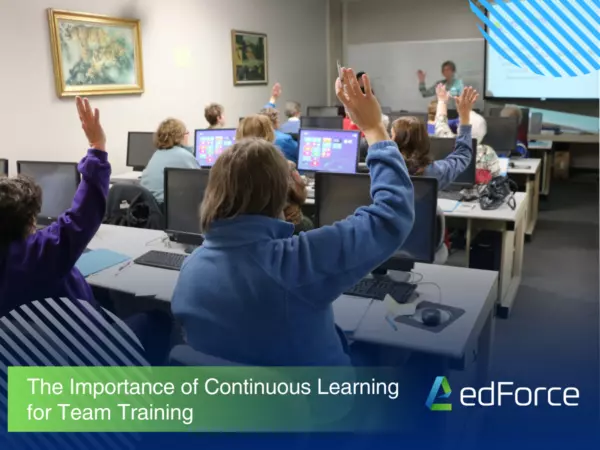
In today’s rapidly evolving business landscape, the adage “knowledge is power” has never been more pertinent. With technological advancements and market dynamics constantly shifting, companies are increasingly recognizing the necessity of continuous learning for their teams. This realization is not merely a matter of keeping up with trends; it’s a fundamental strategy for staying competitive and fostering growth. Here, we delve into the significance of continuous learning for team training and how platforms like edForce are instrumental in facilitating this essential process. 1. Enhancing Adaptability and Agility In a world where change is the only constant, adaptability is key. Continuous learning equips teams with the skills and knowledge they need to navigate shifting landscapes with ease. Whether it’s mastering new software, understanding emerging market trends, or adopting innovative methodologies, a commitment to ongoing learning ensures that teams remain agile in the face of challenges. edForce, with its comprehensive range of courses spanning various industries and disciplines, empowers teams to stay ahead of the curve and embrace change proactively. 2. Fostering Innovation and Creativity Continuous learning is not just about acquiring existing knowledge; it’s also about cultivating a culture of innovation and creativity within teams. By exposing employees to diverse perspectives, cutting-edge research, and best practices from across industries, continuous learning encourages out-of-the-box thinking and problem-solving. Platforms like edForce provide access to a wealth of resources, including webinars, workshops, and expert-led courses, that inspire creativity and drive innovation within teams. 3. Boosting Employee Morale and Engagement Investing in continuous learning demonstrates a company’s commitment to the growth and development of its employees. When team members feel supported in their professional journey, they are more likely to be engaged, motivated, and satisfied in their roles. Furthermore, providing opportunities for skill enhancement and career advancement through platforms like edForce can significantly boost employee morale and retention. By prioritizing continuous learning, organizations not only invest in their teams’ future but also cultivate a positive work culture built on trust and collaboration. 4. Improving Performance and Productivity The correlation between continuous learning and improved performance is well-documented. Employees who regularly update their skills and knowledge are better equipped to tackle challenges efficiently and deliver results effectively. By investing in team training through platforms like edForce, companies can witness tangible improvements in productivity, quality of work, and overall performance. Moreover, continuous learning fosters a growth mindset within teams, encouraging them to constantly strive for excellence and surpass previous benchmarks. 5. Remaining Competitive in the Marketplace In today’s hyper-competitive business environment, staying ahead of the competition is paramount. Continuous learning provides organizations with a strategic advantage by enabling them to adapt to industry trends, customer preferences, and technological advancements swiftly. Companies that prioritize team training through platforms like edForce are better positioned to innovate, seize new opportunities, and outperform rivals in the marketplace. By investing in the continuous development of their teams, organizations can secure their relevance and longevity in an ever-evolving landscape. FAQs
How to Choose the Right Corporate Trainer for Your Team

Corporate training programs provide invaluable opportunities for skill enhancement and professional growth. However, selecting the right corporate trainer for your team can be a daunting task. With a myriad of options available, it’s essential to make an informed decision to ensure that your investment yields the desired results. Understanding Your Training Needs Before embarking on the quest to find the perfect corporate trainer, it’s vital to have a clear understanding of your organization’s training needs. Take the time to assess the skills gaps within your team and identify areas where improvement is needed. Whether it’s leadership development, sales training, or technical skills enhancement, defining your training objectives will help streamline the selection process. Researching Potential Trainers Once you have identified your training requirements, the next step is to research potential corporate trainer. Begin by leveraging online resources such as professional networking platforms and training directories. Additionally, seek recommendations from industry peers and colleagues who have previously worked with corporate trainers. Platforms like edForce can also be valuable resources, providing access to a diverse pool of experienced trainers tailored to your specific needs. Reviewing Credentials and Experience When evaluating potential trainers, credentials and experience should be top priorities. Look for trainers who possess relevant certifications and qualifications in their respective fields. Additionally, consider their track record of success and experience working with teams similar to yours. A trainer who understands the unique challenges of your industry and can provide real-world examples will be better equipped to deliver impactful training sessions. Assessing Training Methods and Techniques Every trainer has their own unique approach to delivering training content. It’s essential to assess whether their methods align with your team’s learning preferences and objectives. Some trainers may prefer traditional classroom-style sessions, while others may utilize interactive workshops or online learning modules. Consider conducting a trial session or requesting sample training materials to evaluate the effectiveness of their teaching techniques. Seeking Client References and Testimonials One of the most reliable indicators of a trainer’s effectiveness is feedback from previous clients. Request references or testimonials from past organizations that have worked with the trainer to gain insight into their performance and results. Ask specific questions about the trainer’s ability to engage participants, adapt to diverse learning styles, and deliver tangible outcomes. A reputable trainer will be transparent about their past experiences and happy to provide references upon request. Evaluating Cost and ROI While cost should not be the sole determining factor, it’s important to evaluate the financial implications of hiring a corporate trainer. Consider the overall return on investment (ROI) that you expect to achieve from the training program. Look for trainers who offer flexible pricing options and are willing to work within your budget constraints. Keep in mind that investing in high-quality training now can yield significant long-term benefits for your organization. Choosing a Cultural Fit In addition to technical expertise, it’s essential to consider the cultural fit between your organization and the corporate trainer. Look for someone who aligns with your company values and culture, as they will be better able to connect with your team and facilitate meaningful learning experiences. A trainer who shares similar values and understands your company’s unique dynamics will be more effective in driving lasting change. Continuing Support and Follow-Up Effective corporate training doesn’t end with the completion of a single session or workshop. Look for trainers who offer ongoing support and follow-up to reinforce learning outcomes and track progress over time. Whether it’s providing additional resources, conducting follow-up assessments, or offering coaching sessions, ongoing support is essential for maximizing the impact of the training program. Conclusion Choosing the right corporate trainer for your team is a critical decision that requires careful consideration. By understanding your training needs, researching potential trainers, and evaluating factors such as credentials, experience, and cultural fit, you can make an informed choice that delivers tangible results for your organization. With platforms like edForce, finding the perfect corporate trainer has never been easier. FAQs
Fresh Graduate Training Programs for Career Success

In today’s competitive job market, recent graduates face a significant challenge transitioning from academic life to the corporate world. To bridge this gap and empower fresh talents, innovative training programs have emerged as a crucial step in their career development. These comprehensive programs are designed to equip recent graduates with the essential skills, industry-relevant knowledge, and hands-on experience needed to thrive in their professional journey. By immersing participants in real-world scenarios, industry-leading mentorship, and structured learning opportunities, these training programs offer a transformative path for recent graduates. They unlock their full potential and achieve long-term career success. From mastering technical competencies to honing crucial soft skills, these programs serve as a launchpad for fresh talents. They navigate the complexities of the modern workplace and seamlessly integrate into their chosen fields. Key Takeaways Fresh Graduate Training Programs in Today’s Job Market Recent graduates face a dynamic job landscape, where fresh graduate training programs serve as crucial pathways to career advancement. These initiatives provide a holistic approach to developing essential skills and knowledge. They prepare young professionals to excel in their chosen fields. Types of Training Programs Available The spectrum of fresh graduate training options is broad and varied. It includes everything from specialized boot camps to rotational management programs. These offerings cater to diverse career goals, offering practical learning, mentorship, and real-world application opportunities. Benefits for Recent Graduates Industry-Specific Opportunities Training programs also offer specialized tracks for various industries, such as technology, finance, and marketing. These programs provide the necessary specialized knowledge and practical experience. They are designed to help participants thrive in their chosen career paths. Companies like edForce lead in offering customized training solutions. These solutions align with the changing job market trends and career opportunities for recent graduates. By collaborating with top companies, edForce ensures its programs are highly relevant and impactful. “Fresh graduate training programs are game-changers for those seeking to kickstart their careers with confidence and direction.” How edForce Transforms Graduate Career Development? In today’s competitive job market, recent graduates face the challenge of seamlessly transitioning from the classroom to the corporate world. edForce, a leading provider of professional training programs, is revolutionizing the way fresh graduates approach their career transformation. edForce’s innovative approach to graduate training focuses on a comprehensive skill enhancement process that addresses the unique needs of young professionals. By leveraging a blend of industry-specific knowledge, hands-on experiences, and personalized mentorship, the edForce programs empower graduates to develop the necessary career transformation and skill enhancement skills required to thrive in their chosen fields. At the heart of the edForce programs lies a deep understanding of the challenges faced by fresh graduates. The edForce programs are designed to provide a structured, supportive environment where participants can acquire valuable technical expertise, hone their soft skills, and cultivate the leadership capabilities that employers seek. Key Features of edForce Programs Benefits for Graduates Customized learning paths Accelerated skill development Hands-on industry projects Increased employability Mentorship from industry experts Seamless transition to the workplace Networking opportunities Enhanced career prospects Personalized career guidance Valuable industry connections By partnering with edForce, recent graduates can unlock a world of opportunities and set themselves on a trajectory of career transformation and skill enhancement that prepares them for long-term success. Fresh Graduate Training: From Classroom to Corporate Success The transition from academia to the corporate world can be daunting for fresh graduates. Yet, with the right training programs, this journey can be both seamless and fruitful. edForce, a leading provider of graduate training solutions, bridges the gap between theoretical knowledge and practical application. This ensures corporate readiness and practical application for its participants. edForce equips graduates with the necessary skills and mindset to thrive in the competitive corporate landscape. By simulating real-world business scenarios, participants gain invaluable hands-on experience. This enables them to navigate the complexities of the professional world with confidence. The edForce approach goes beyond mere skill development. It fosters a holistic understanding of business dynamics and leadership principles. Graduates emerge from the program with a heightened sense of corporate readiness. They are poised to contribute significantly to their organizations from day one. By seamlessly blending theoretical concepts with practical application, edForce training programs empower fresh graduates. They make a seamless transition from the classroom to the boardroom. This holistic approach sets them up for long-term success, propelling them towards fulfilling careers and elevating their professional trajectories. Building Your Professional Network Through Training Programs Graduate training programs provide a unique chance to construct a solid professional network. They offer mentorship and connections to the industry, aiding young professionals in their career advancement. These programs are crafted to support individuals as they navigate their professional paths. Mentorship Opportunities One of the primary advantages of graduate training programs is the access to seasoned mentors. Participants can connect with experienced professionals, gaining invaluable guidance and insights. This mentorship is crucial for transitioning from academia to the corporate world. Industry Connections These programs frequently collaborate with top companies and organizations, providing industry connections. This allows participants to forge significant networking ties and gain visibility among potential employers. Such connections can significantly boost career prospects and growth. Peer Learning Benefits Graduate training programs create a collaborative learning environment. Here, participants can exchange knowledge and experiences, fostering a supportive edForce community. This peer-to-peer interaction enhances both technical and soft skills, crucial for professional development. By engaging with the networking opportunities in graduate training programs, young professionals can lay a strong foundation for their careers. These programs offer mentorship, industry connections, and peer learning, providing essential resources for career advancement. FAQs
Transform Your Skills with VILT Training Today
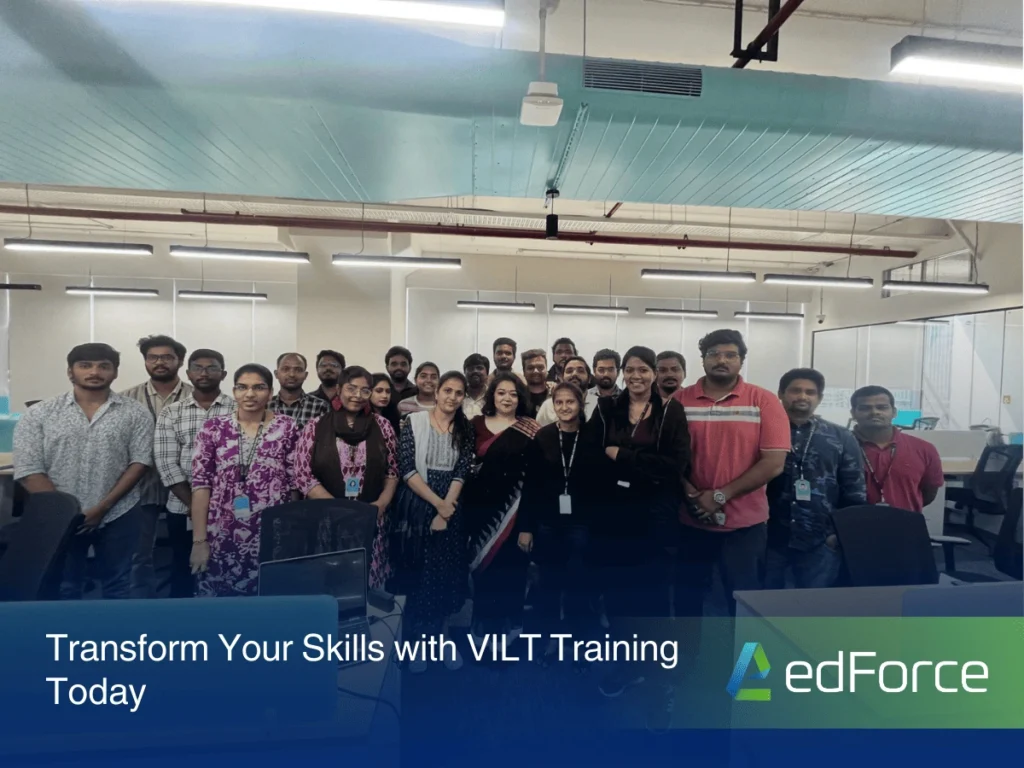
Virtual Instructor-Led Training (VILT) emerges as a groundbreaking method for learning, reshaping how we acquire new abilities and enhance our current expertise. VILT breaks down the barriers of traditional classroom learning, enabling professionals worldwide to access top-tier training from their homes or offices. VILT empowers learners to participate in live, interactive sessions with seasoned instructors. This approach offers a dynamic and engaging learning experience, moving beyond passive lectures and generic curriculums. It allows individuals to personalize their professional development, fitting it seamlessly into their hectic schedules. Virtual Instructor-Led Training (VILT) in Modern Education The educational landscape is undergoing a significant transformation, with virtual instructor-led training (VILT) its forefront. This method combines digital classrooms, synchronous learning, and advanced virtual tools to revolutionize how we acquire knowledge and skills. It offers a new paradigm for both students and professionals seeking to enhance their educational experiences. Key Components of VILT Platforms VILT platforms aim to replicate the dynamic interaction and collaboration found in traditional classroom settings. They are equipped with essential features such as video conferencing, digital whiteboards, and screen sharing. These tools enable learners to engage fully in the learning process, mirroring the in-person experience. Benefits of Synchronous Learning The core benefit of VILT lies in its synchronous learning capabilities. It allows for real-time interaction between instructors and students, creating a vibrant learning community. This approach enhances knowledge retention, encourages active discussions, and facilitates immediate feedback. It closely mimics the dynamic atmosphere of a physical classroom. Real-Time Interaction Features These features establish a virtual classroom environment that closely mirrors the in-person experience. They enable learners to engage actively, collaborate, and receive immediate support from both instructors and peers. Why VILT Training is Revolutionizing Professional Development? In today’s fast-paced world, the need for continuous skill acquisition and workforce upskilling has become increasingly important for career advancement. Virtual Instructor-Led Training (VILT) has emerged as a revolutionary solution, transforming how professionals approach their professional development. One of the key drivers behind the popularity of VILT is its cost-effectiveness. By eliminating the need for physical classroom spaces and reducing travel expenses, VILT provides a more accessible and scalable approach to training. This makes it easier for organizations to provide consistent training opportunities across geographically dispersed teams, fostering a culture of continuous learning and skill acquisition. Furthermore, VILT’s flexibility and adaptability to rapidly changing industry needs make it an invaluable tool for workforce training. Professionals can access up-to-date course content and participate in real-time interactive sessions, ensuring their skills remain relevant and in high demand. As the world of work continues to evolve, VILT has become a game-changer in the realm of professional development. By empowering individuals to take control of their career advancement and equipping organizations with the means to upskill their workforce, VILT is poised to remain a critical component of the modern learning landscape. Essential Tools and Technologies for Successful VILT Sessions The evolution of education necessitates the adoption of edtech solutions for engaging and effective virtual instructor-led training (VILT) experiences. These advanced technologies enable educators and learners to collaborate seamlessly, access educational content, and monitor progress within virtual classrooms. Video Conferencing Solutions Central to VILT sessions is a dependable video conferencing platform. Platforms such as Zoom, Microsoft Teams, and Google Meet facilitate real-time audio and video interactions, crucial for face-to-face communication. They also offer functionalities like screen sharing, virtual whiteboards, and breakout rooms, enhancing the virtual learning experience. Digital Collaboration Tools Interactive digital tools are integral to fostering online collaboration in VILT sessions. Tools like Google Docs, Miro, and Mural enable learners to collaborate on projects, share ideas, and provide feedback in real-time. These platforms integrate seamlessly with video conferencing solutions, creating a comprehensive virtual learning environment. Learning Management Systems At the core of the VILT ecosystem are learning management systems (LMS) such as Canvas, Blackboard, and Moodle. These platforms organize course materials, track student progress, and facilitate the delivery of online content. By integrating video conferencing, collaboration tools, and the LMS, educators can create a cohesive and streamlined virtual learning experience for their students. The strategic integration of these edtech tools and technologies empowers institutions to deliver engaging and effective VILT sessions. This integration fosters online collaboration, digital learning platforms, and virtual classrooms that meet the evolving needs of modern education. Maximizing Engagement in Virtual Learning Environments Virtual instructor-led training (VILT) is revolutionizing education, emphasizing the importance of dynamic student interaction and online participation. Developing effective virtual engagement strategies is vital for creating engaging learning experiences. These experiences should captivate and motivate learners. Integrating interactive polls and quizzes into VILT sessions is a powerful strategy. These tools enhance student interaction and offer insights into learners’ understanding. This allows instructors to adjust their teaching methods in real-time. Additionally, using breakout rooms for small group discussions promotes active learning and collaborative problem-solving. Creating a sense of community and belonging is crucial in virtual learning environments. By fostering meaningful connections and maintaining learner motivation, instructors can create an immersive and engaging space. This environment inspires students to actively participate and excel in their virtual learning journey. Best Practices for Implementing VILT Training Programs As organizations and educators increasingly embrace Virtual Instructor-Led Training (VILT) programs, it’s crucial to follow best practices to ensure their success. The key lies in establishing clear learning objectives, creating engaging and interactive content, and implementing effective training evaluation methods. Setting Clear Learning Objectives Defining measurable learning outcomes is the foundation of any successful VILT program. Clearly articulate the knowledge, skills, and behaviors learners should acquire by the end of the training. This helps align the instructional design with the desired outcomes, ensuring the training achieves its intended impact. Creating Interactive Content Engaging learners is paramount in the virtual setting. Incorporate a variety of content creation techniques, such as interactive presentations, hands-on exercises, and immersive simulations, to foster active participation and knowledge retention. Leverage the capabilities of VILT platforms to enable real-time collaboration and foster a sense of community among participants. Measuring Training Effectiveness Regularly assess the training evaluation of your VILT programs to ensure they are delivering the desired results. Utilize a mix of pre- and post-training assessments,